
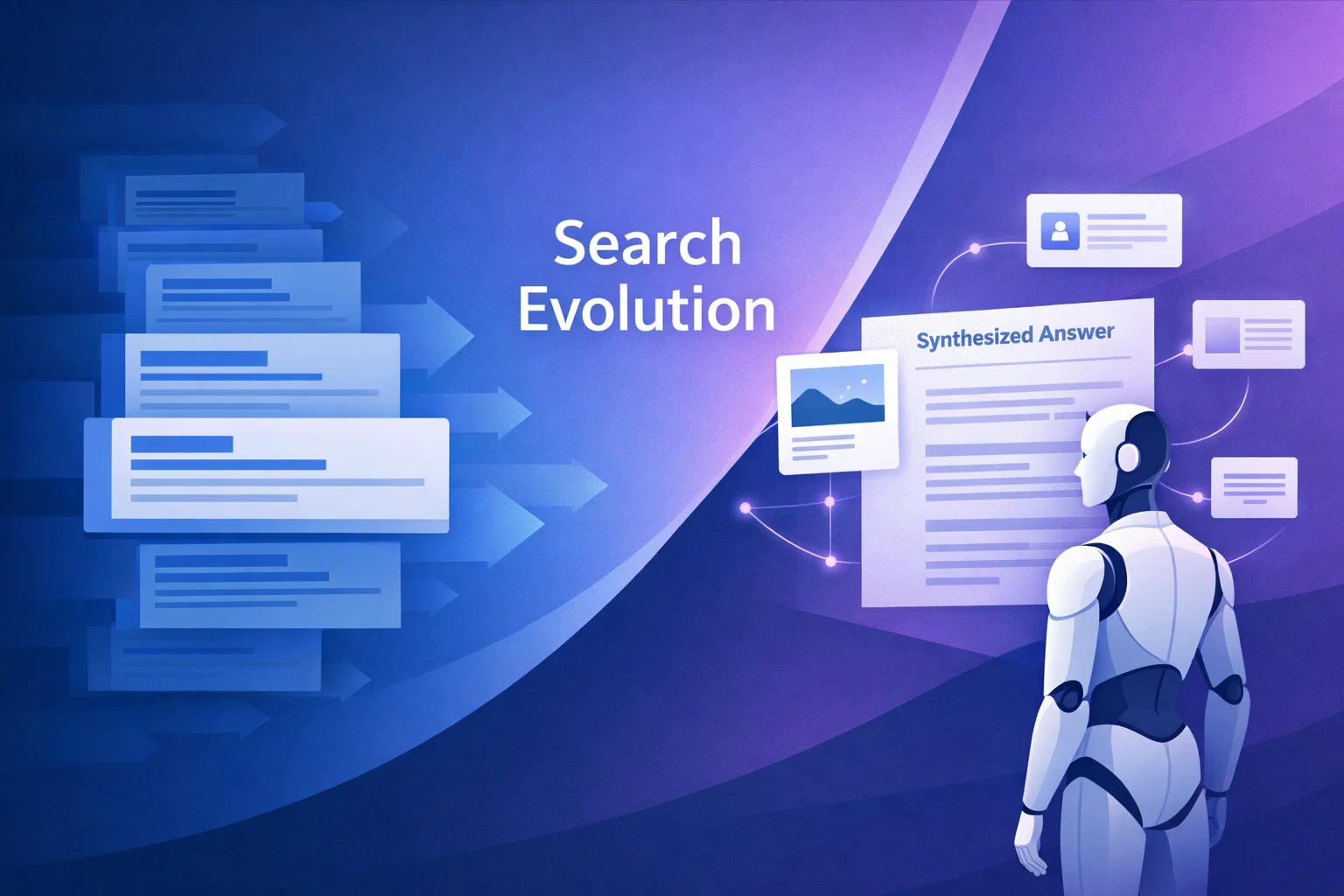
The landscape of search is undergoing its most significant transformation since Google’s inception. While traditional SEO has dominated digital marketing for over two decades, AI search optimization is reshaping how content gets discovered, evaluated, and presented to users. Understanding the key differences between these approaches isn’t just academic – it directly impacts your visibility, traffic, and revenue in an increasingly AI-driven digital ecosystem.
Core Technological Differences in Information Retrieval
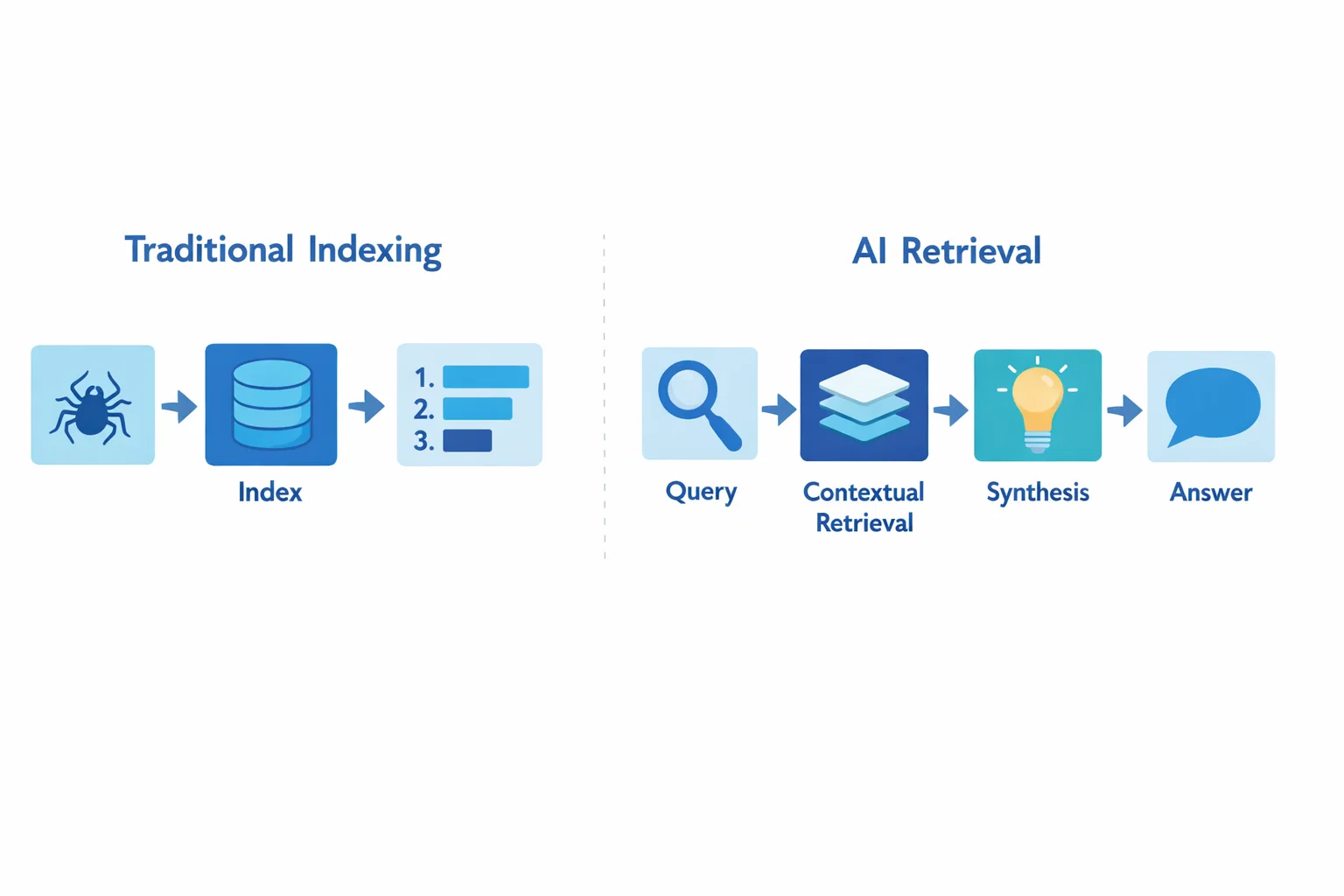
Traditional search engines like Google built their empires on a straightforward process: crawl web pages, index content, and rank results based on relevance signals. This model created the familiar “list of links” we’ve all grown accustomed to. AI search optimization operates on fundamentally different principles, replacing simple indexing with sophisticated data synthesis powered by large language models (LLMs).
The shift from retrieval to synthesis marks the core distinction. Traditional search engine optimization focuses on making your content discoverable within an index. AI SEO, by contrast, focuses on how to optimize your website for ai search to ensure your content is cited, quoted, and synthesized within AI-generated responses. When someone asks ChatGPT or Google’s AI Overviews a question, they’re not browsing through ten blue links – they’re receiving a single, synthesized answer that may reference multiple sources simultaneously.
Four Steps of AI Search Processing
AI-powered search engines process queries through a sophisticated pipeline that differs markedly from traditional search:
- Query Analysis – The system interprets not just keywords but intent, context, and implied follow-up questions
- Contextual Retrieval – AI tools pull relevant information from training data and real-time sources
- Response Synthesis – The model combines information from multiple sources into a coherent narrative
- Natural Language Generation – The final answer is crafted in conversational language tailored to the specific query
This process explains why two users asking similar questions might receive different AI responses based on how they frame their prompt. Traditional search engines, meanwhile, deliver largely identical results for identical keyword strings.
Traditional Indexing vs LLM Data Training
When Googlebot crawls your site, it stores snapshots of your pages in a massive index. Ranking algorithms then determine which indexed pages to show for specific queries. The relationship between your content and the index remains direct and traceable.
LLMs operate differently. During training, these models ingest vast amounts of text data and develop internal representations – essentially learning patterns, relationships, and factual associations. Your content doesn’t get “stored” in a traditional sense; instead, it influences the model’s weights and parameters. This means AI search optimization requires creating content that’s not just indexable but memorable and authoritative enough to shape the model’s understanding of a topic.
Role of AI Crawlers in Content Ingestion
Beyond traditional search engine crawlers, you now need to consider AI crawlers like GPTBot, CCBot, and others that specifically collect data for training language models. These bots determine whether your content becomes part of an LLM’s knowledge base.
Your robots.txt file and crawler permissions directly impact your AI visibility. Blocking these crawlers might protect your content from being used in AI training, but it also means you’re invisible when users query AI platforms. The marketer’s dilemma becomes clear: participate in the AI ecosystem or risk irrelevance in AI-generated answers.
Evolution of User Behavior and Experience
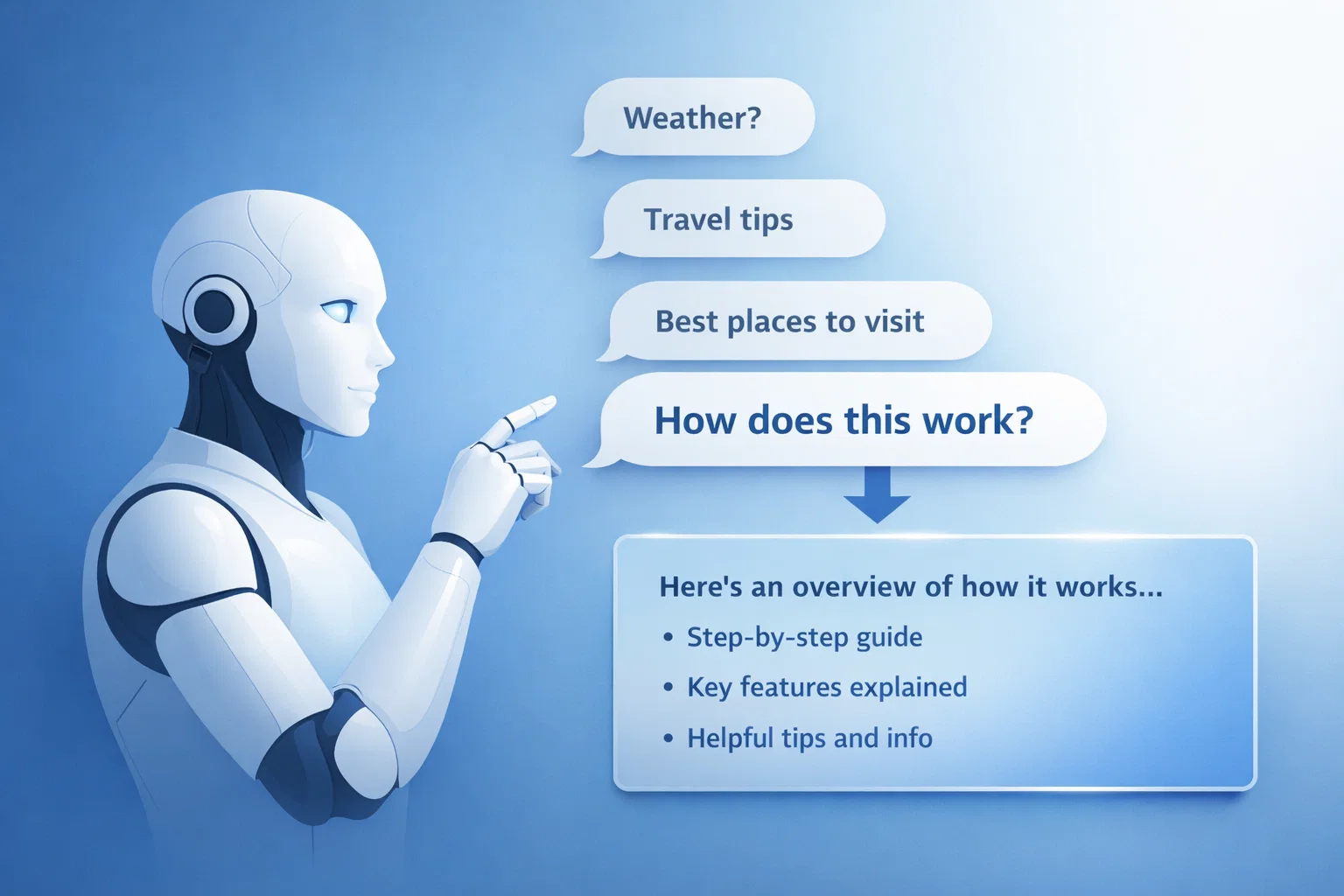
Search behavior has fundamentally changed. Users no longer think in keywords – they ask complete questions, expect nuanced answers, and engage in multi-turn conversations with AI systems. This behavioral shift requires rethinking everything from content strategy to measurement.
The data suggests a clear trend: conversational queries have increased by over 60% since the introduction of AI-powered search tools, while traditional short-tail keyword searches have declined proportionally. Users trust AI responses to synthesize complex information that would have previously required reading multiple articles.
Transition from Keywords to Natural Language Queries
The “keyword-speak” era is ending. Instead of typing “best CRM software 2024,” users now ask AI platforms: “What CRM would work best for a 50-person B2B sales team that needs strong integration with our existing Salesforce data?” This specificity demands content that addresses nuanced scenarios rather than generic keyword variations.
Your strategy must incorporate specific LLM SEO tips to account for this shift:
- Create content that answers specific, scenario-based questions
- Use natural language throughout your articles, not keyword-stuffed headlines
- Structure information so AI tools can extract precise answers to complex queries
- Anticipate follow-up questions users might ask in a conversational flow
Multi-Modal Inputs and Visual Search Results
AI search isn’t limited to text. Modern AI systems integrate images, video, and voice inputs into unified responses. A user might upload a product photo and ask for similar items, then receive AI-generated recommendations with visual comparisons and price data synthesized from across the web.
Traditional SEO vs AI SEO becomes particularly evident here. While technical SEO still requires proper image alt text and schema markup, AI search optimization also demands content that can be referenced alongside visual information. Your product descriptions need to work both as standalone text and as context for image-based queries.
Presentation of Results in Generative Engines
The visual real estate of search results has transformed. Traditional search presents ten blue links with meta descriptions. AI-powered search tools like ChatGPT, Perplexity, and Google’s AI Overviews present synthesized paragraphs with inline citations, often pushing traditional organic results below the fold or eliminating them entirely.
For marketers, this creates a zero-click problem: users get their answers without clicking through to your site. The solution isn’t to fight this trend but to optimize for citation and brand mention within AI responses, treating visibility itself as valuable even without the click-through.
Emerging Strategies: GEO and AEO
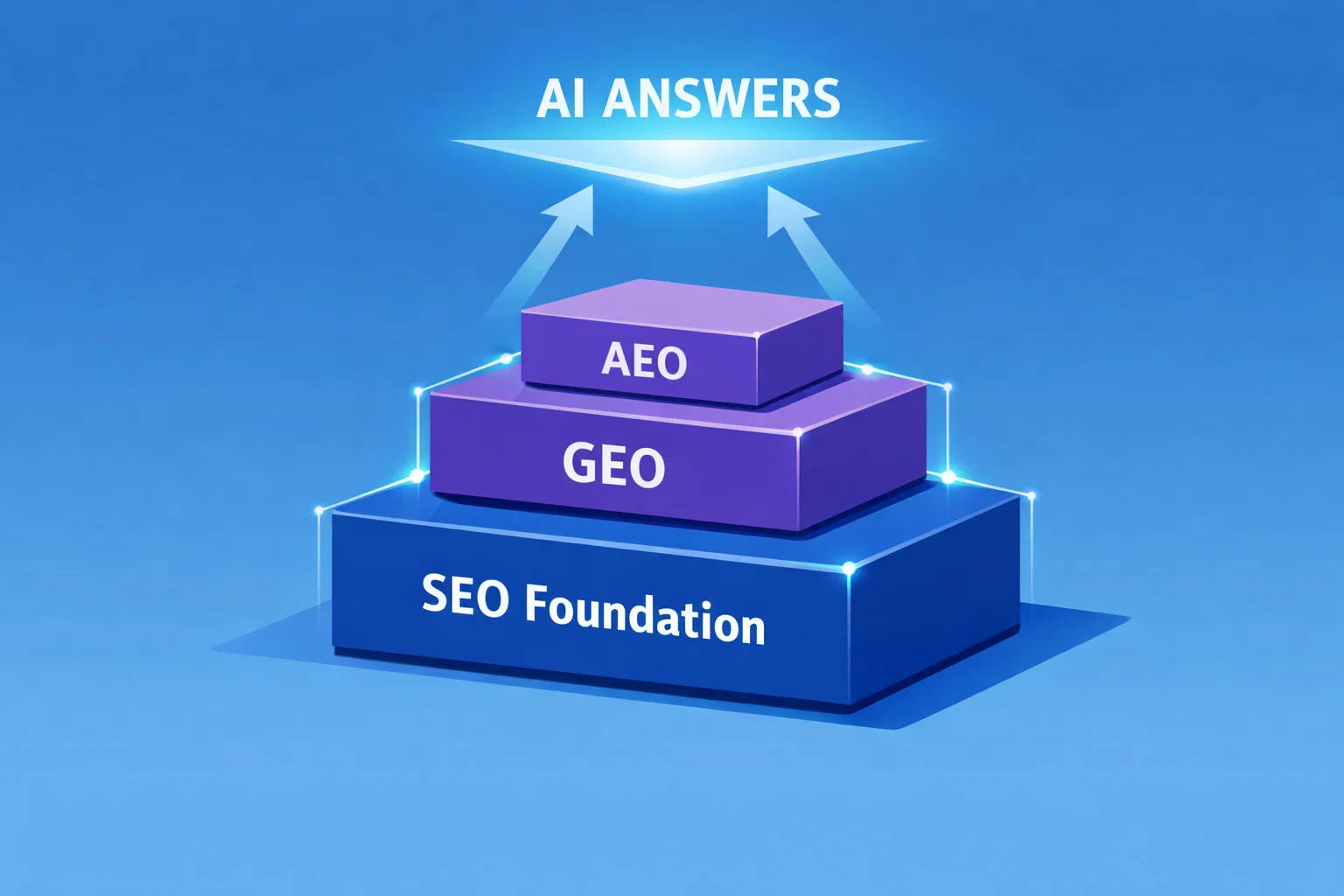
As AI search becomes dominant, new optimization frameworks have emerged. Generative Engine Optimization (GEO) and Answer Engine Optimization (AEO) represent the evolution of traditional search engine optimization into an AI-first world.
These approaches don’t replace SEO – they extend it. Your technical SEO foundations (site speed, mobile-friendliness, crawlability) remain critical, often requiring specialized Technical SEO & Audits Services to maintain performance in a more complex indexing environment.. However, they’re no longer sufficient. You need additional strategies specifically designed for AI visibility.
Generative Engine Optimization Principles
GEO focuses on making your content the preferred source when LLMs generate responses. Key tactics include:
- Definitional clarity – Start sections with clear, quotable definitions that AI models can extract
- Authoritative formatting – Use structured data and schema markup to signal expertise
- Citation-friendly content – Write in a style that’s easy to quote and attribute
- Factual precision – Avoid hedging language that makes statements less useful for AI synthesis
Research from Stanford’s AI Index shows that content with explicit attributions and structured factual claims is 3.4 times more likely to appear in AI-generated responses compared to opinion-heavy articles.
Answer Engine Optimization for Zero-Click Visibility
AEO strategies aim to position your content as the primary source for AI answers, even if users never click through to your site. This requires a mindset shift: value brand awareness and authority building over immediate traffic.
Practical AEO techniques include creating FAQ sections that directly answer common queries, structuring content with clear heading hierarchies that AI can parse, and ensuring each major point includes supporting data that AI systems can verify and cite.
Integration of Traditional SEO and AI SEO
The most effective approach combines both paradigms. Your on-page optimization still needs keyword relevance and proper internal linking. Your technical infrastructure must support fast loading and mobile experiences. But layer on top of that a content strategy designed for AI citation, and you create compounding value.
Think of it this way: traditional SEO gets you into the index; AI SEO gets you into the answer. Both are necessary; neither is sufficient alone.
Digital Credit Score and Brand Authority
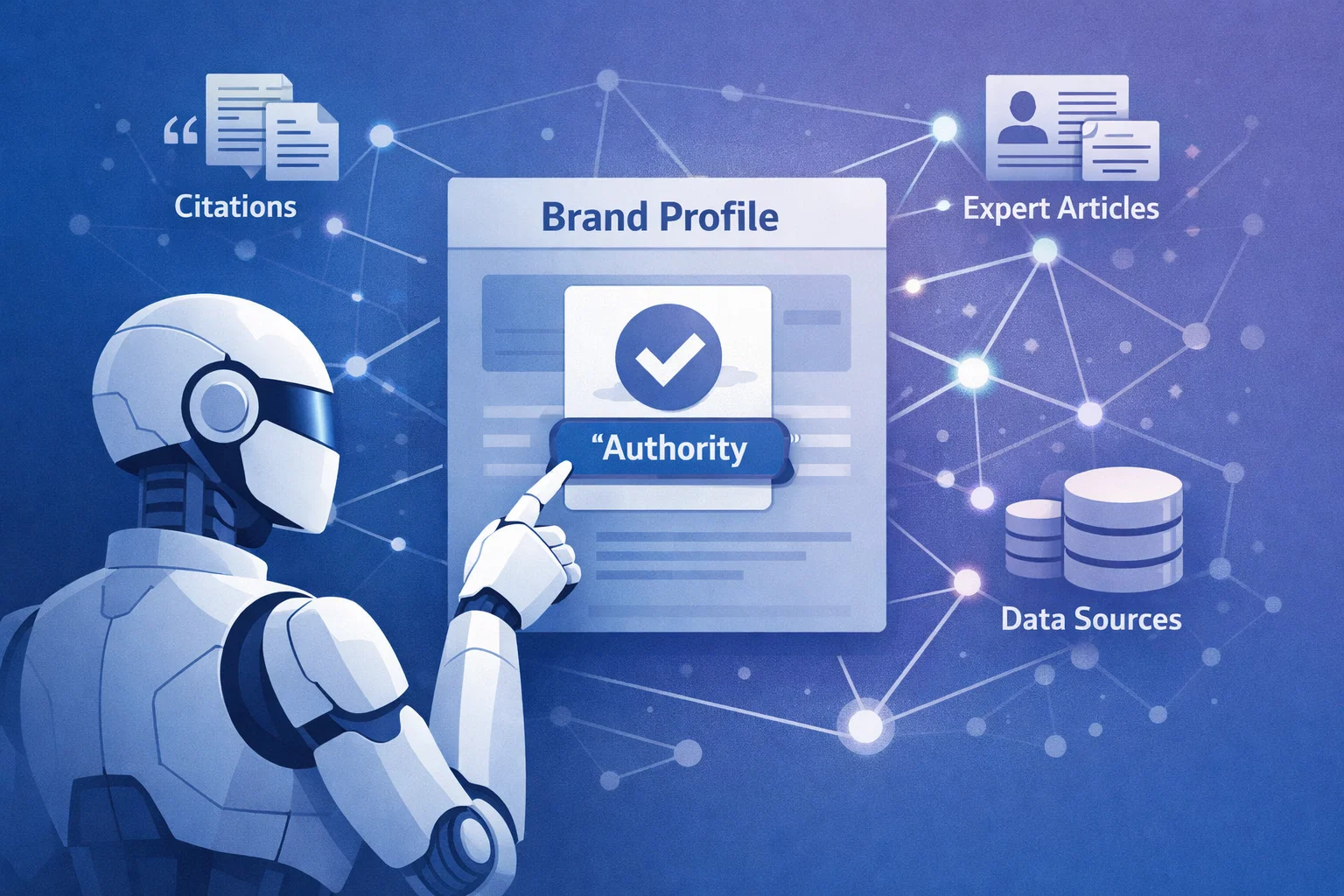
In the AI search era, ranking factors are evolving toward what we might call a “Digital Credit Score” – an aggregate measure of your domain authority, content quality history, and citation network across different platforms. AI systems prioritize sources they’ve learned to trust through historical accuracy and consistent expertise.
Understanding AI’s trust mechanisms is crucial. Unlike traditional algorithms that evaluate individual pages, LLMs develop broader associations with domains and authors. If your brand has consistently provided accurate information in a specific niche, AI models are more likely to reference you for related queries, even on new content.
Expert Content History as Ranking Factor
Writing your history matters more in AI search than traditional search. Publishing 100 mediocre articles on diverse topics will underperform compared to 30 deeply researched pieces on a narrow niche. The latter builds specialization signals that AI models recognize.
Content marketing in the AI age demands focus. Choose your domain of expertise carefully and build comprehensive coverage. When ChatGPT or similar tools need authoritative information on that topic, consistent historical expertise makes you the default citation.
Factual Claims and Citation Verification
AI systems increasingly verify claims before incorporating them into responses. Content that makes verifiable statements with external citations earns higher credibility scores within AI training data.
Practical implementation looks like this:
- Include statistics from recognized sources with proper attribution
- Link to peer-reviewed research or authoritative institutions
- Use schema markup to structure factual claims
- Avoid unsubstantiated superlatives and absolute statements
Google Analytics data from sites that implemented comprehensive citation strategies shows a 40% increase in AI visibility within six months, even without changes to traditional SEO metrics.
Network of Authority and Brand Mentions
Your “Digital Credit Score” improves when authoritative sites mention your brand, even without backlinks. This differs from traditional link-based authority. AI crawlers recognize brand mentions, co-citations with other authorities, and contextual associations across the web.
Building authority in this environment requires digital PR strategies focused on mentions rather than just links. When industry publications reference your research, quote your experts, or cite your data, you strengthen your position in AI training sets – and future AI responses.
Metrics and Performance Measurement Shifts
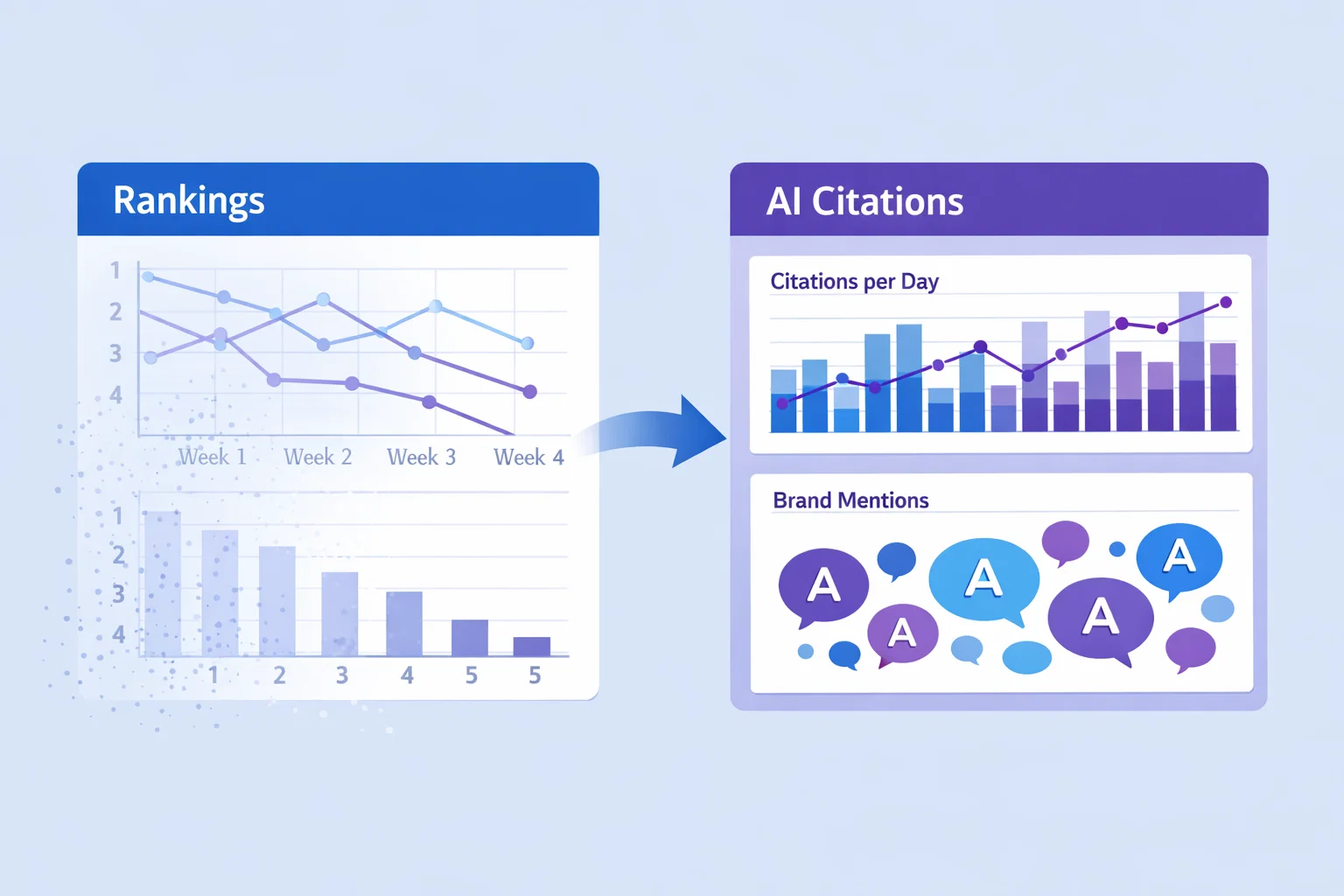
Traditional analytics aren’t equipped to measure AI visibility. You can’t track “Position 1” when there’s no traditional SERP. New KPIs are emerging to quantify performance in AI-driven search.
The challenge for marketers is that decreased click-through rates don’t necessarily indicate failure. If your content gets cited in AI answers, you’re achieving visibility even without traffic. The question becomes: how do you measure and monetize that visibility?
Traditional Metrics vs AI Visibility Tools
Rank tracking tools still matter for traditional search results, but they miss the growing share of queries answered by AI Overviews and similar features. New analytics platforms have emerged to track “Share of AI Citations” – essentially, how often your brand appears in AI-generated responses relative to competitors.
These tools monitor AI platforms like ChatGPT, Perplexity, and Google’s generative features to quantify your presence. Early adoption data suggests brands tracking these metrics outperform competitors who rely solely on traditional SEO performance indicators.
Tracking Performance in Generative Overviews
Google Search Console has begun adding data about AI Overview appearances, though coverage remains limited. Third-party tools fill the gap by monitoring when your content appears in synthesized answers and tracking brand sentiment within those responses.
Key metrics to watch include:
- Citation frequency in AI responses
- Brand mention sentiment (positive, neutral, negative)
- Topic coverage – which queries trigger your content as a source
- Competitive share – your citations versus competitors in your niche
ROI Timeline for Optimization Efforts
Building authority for AI takes longer than traditional SEO tactics like on-page optimization or technical fixes. While you might see ranking improvements from schema implementation within weeks, developing the domain authority that makes AI systems trust you as a primary source typically requires 6-12 months of consistent, expert content.
However, the payoff compounds differently. Traditional SEO rankings can fluctuate with algorithm updates. AI visibility, once established, tends to be more stable because it’s based on broader trust signals rather than specific ranking factors. Your investment in becoming an authoritative voice yields increasingly reliable returns over time.
Future of Information Discovery
Looking ahead three to five years, search revenue models and marketing strategies will transform dramatically. AI systems will mediate most information discovery, fundamentally changing how businesses connect with potential customers.
The shift isn’t hypothetical – it’s measurable. Recent studies indicate that 40% of users under 30 now default to AI chat interfaces for information queries rather than traditional search engines. As this behavior spreads to broader demographics, marketers must adapt or risk invisibility.
Predicted Shifts in Search Revenue Models
The PPC advertising model that funds traditional search faces disruption. When AI synthesizes answers instead of displaying ads alongside organic results, where does advertising fit? Early experiments suggest sponsored suggestions within conversational flows – AI might mention specific brands or solutions as part of its response, clearly labeled as sponsored.
This creates new opportunities and challenges. Marketers who build genuine expertise and authority might achieve organic visibility in AI responses. Those relying primarily on paid placement will need new strategies as traditional ad formats become less effective.
Impact of AI Overviews on Performance Marketing
Performance marketing in the Age of Google AI requires more human-centric, creative content that AI cannot easily replicate. Detailed case studies, original research, unique perspectives, and proprietary data all become more valuable because they’re harder for AI to synthesize from generic sources.
The paradox is that while AI tools make content creation easier, they simultaneously raise the bar for what qualifies as genuinely valuable content. Your SEO strategies must evolve beyond “create more content” toward “create irreplaceable content.”
Human Oversight in Automated Landscapes
AI-generated content floods the internet, but human-verified, expert-reviewed information stands out. This creates an opportunity: brands that invest in human oversight to outperform traditional PR and content mills will dominate AI citations.
Practical steps include:
- Expert review processes for all published content
- Original research and proprietary data generation
- Clear author attribution with verified credentials
- Transparent methodology for claims and statistics
These signals help both users and AI systems distinguish authoritative content from mass-produced noise.
The transition from traditional search to AI-mediated information discovery represents the most significant shift in digital marketing since the internet went mainstream. Success requires understanding not just technical differences between traditional SEO and AI search optimization, but fundamentally rethinking how you create value, measure performance, and build authority in an AI-first ecosystem. The brands that thrive will be those that adapt their strategies now rather than waiting for the transformation to complete.
Frequently Asked Questions
Immediate actions include implementing structured data (schema markup) across your site, creating comprehensive FAQ sections that directly answer user questions, and focusing on building domain authority through consistent, expert content. Optimize for AI by ensuring your content is citation-friendly with clear attributions and verifiable claims. Maintain your technical SEO foundations while layering on GEO and AEO strategies. Monitor both traditional rankings and AI visibility metrics to understand your total search presence.
AI-powered search tools like ChatGPT understand nuance and intent that keyword-based systems miss. When users ask complex questions with multiple constraints or contextual requirements, AI can interpret implied needs and synthesize information from various sources to address the complete query. Traditional search engines would break down the same query into keywords and return pages matching those terms, requiring users to manually synthesize the answer. This difference means your content needs to address complete scenarios rather than just individual keywords.
Traditional search engine optimization isn’t dead – it’s evolved into the foundation for all modern digital visibility. Technical SEO, quality backlinks, mobile optimization, and other core practices remain essential. However, they’re no longer sufficient on their own. Think of traditional SEO as the base layer that ensures your content is discoverable and crawlable, while AI SEO optimizes what happens after discovery – whether AI systems cite, quote, and trust your content. Brands that master both approaches will outperform those relying solely on either one.