
What Is Semantic SEO and How It Works?
Semantic SEO is the process of optimizing content around meaning, context, and topic relationships rather than exact keyword matches. It helps search engines understand what your content is genuinely about, enabling your pages to rank for a wider range of search queries.
Semantic SEO and Entities
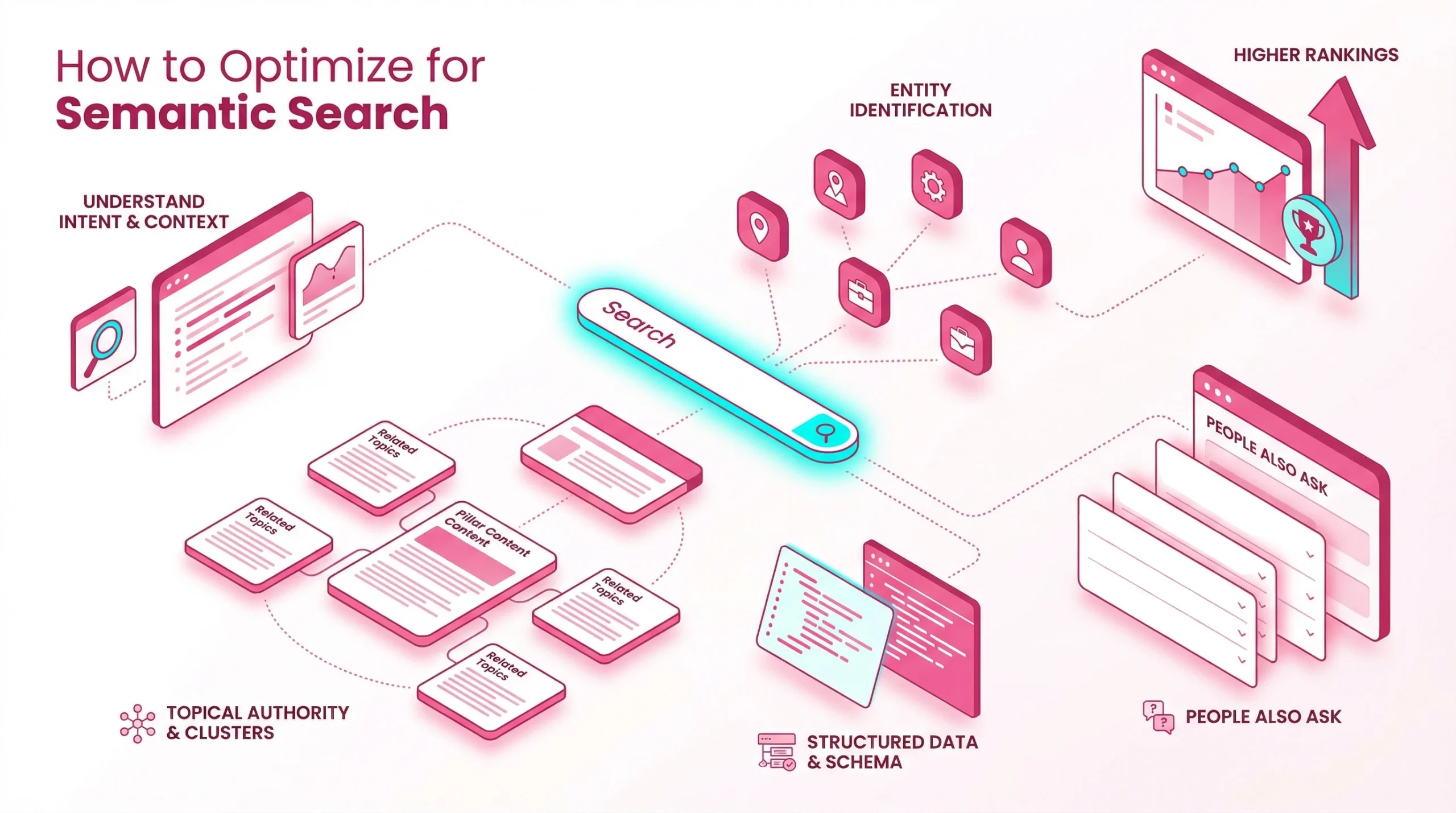
Entities are specific, identifiable concepts — a person, place, brand, or idea — that search engines like Google recognize and connect to related topics. When you build content around clearly defined entities, you make it easier for Google to categorize your pages and surface them within relevant results. Entity clarity is one of the most powerful signals you can send to Google today.
Core Differences Between Semantic and Traditional SEO
Traditional SEO focuses on matching exact keywords to specific queries. Semantic SEO focuses on topic relevance, user intent, and contextual meaning. Here is how they compare:
| Factor | Traditional SEO | Semantic SEO |
| Core focus | Keyword matching | Topic and intent |
| Content approach | Keyword density | Topical depth |
| Key signals | Backlinks, meta tags | Entities, context, relationships |
| Algorithm alignment | Older ranking systems | RankBrain, BERT, MUM |
| User experience | Secondary concern | Central to strategy |
Semantic SEO Example: Context and Disambiguation
Consider the word “mercury.” Without context, it could mean a planet, a chemical element, or an automobile brand. Semantic search algorithms resolve this ambiguity by analyzing surrounding terms, co-occurring concepts, and historical user behavior. Optimizing your content to address this disambiguation helps search engines deliver accurate, relevant results to the right audience.
Latent Semantic Indexing (LSI) vs Modern Entity-Based Search
LSI was an early attempt to identify related terms inside documents. Modern entity-based search goes considerably further. Modern systems now map relationships between concepts, recognize named entities, and use knowledge graphs to understand how topics connect. LSI keywords still hold marginal value, but entity-first optimization is where semantic SEO works at its most effective level today.
Why Use Semantic SEO for Modern Marketing?
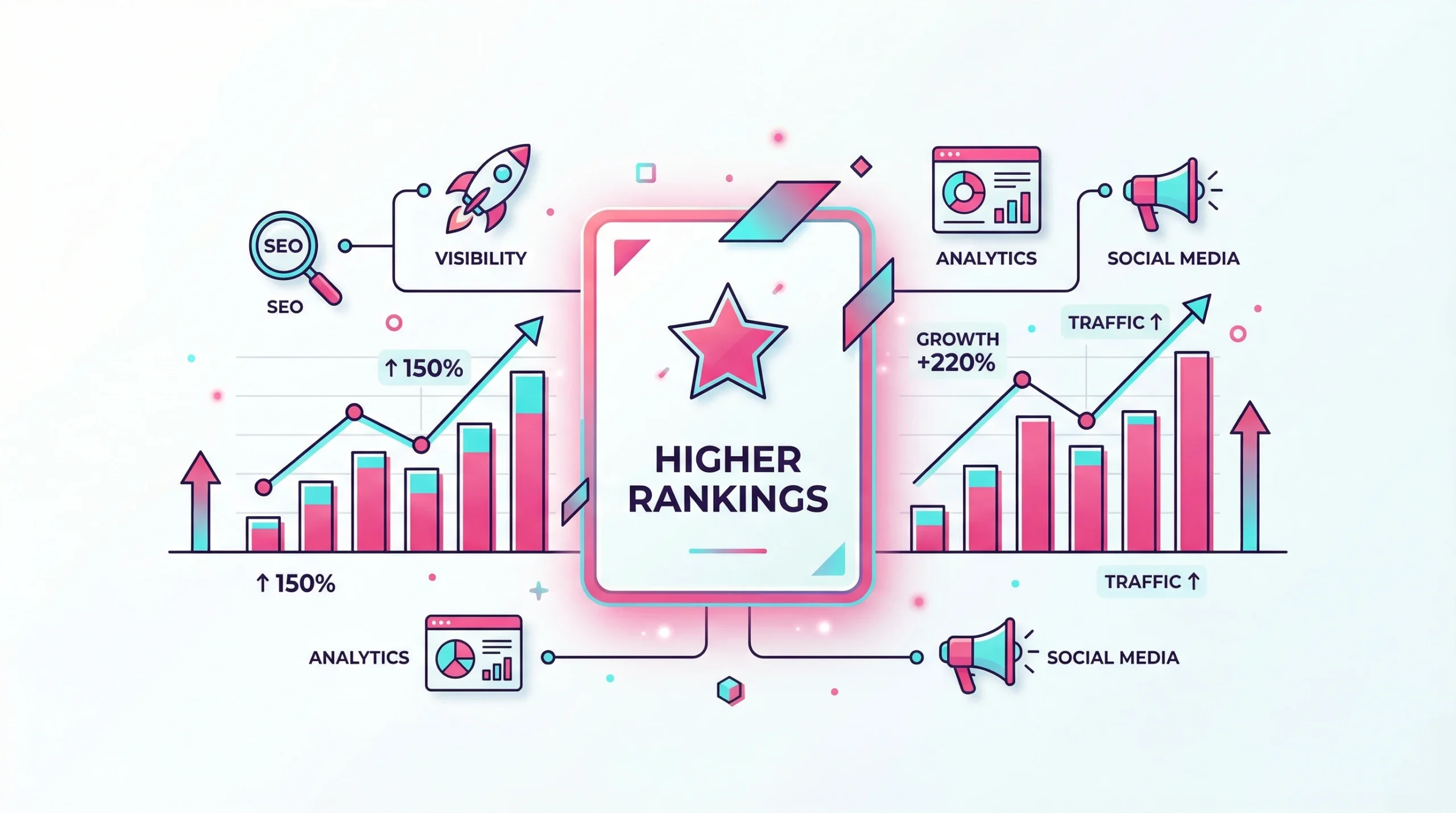
Semantic SEO has become a central pillar of digital marketing. As search engine algorithms grow more advanced, businesses that align their content with semantic principles gain measurable advantages.
Improved Search Engine Rankings and Keyword Coverage
By structuring content around topics rather than isolated terms, you naturally cover a broader range of search queries. This approach extends your visibility across search engine results pages without creating separate pages for every variation of a search term. Search volume spreads across your entire topic cluster, not just a single page.
Enhanced SERP Visibility and AI Overviews Presence
Generative AI features — including Google’s Search Generative Experience — prioritize sources that demonstrate topical depth and authority. Content that is semantically structured and well-organized is more likely to appear in AI-generated summaries, featured snippets, and knowledge panels. This expands reach well beyond traditional organic listings.
Sending Quality Signals to Google for Topical Authority
Covering a topic thoroughly and consistently sends strong semantic signals to Google and other platforms that your site is an authoritative source in that space. These signals are cumulative — each new piece of relevant content reinforces the cluster, building long-term trust with both users and search engines over time.
Better CTR and Website Engagement Metrics
Pages that align precisely with the intent behind a query attract higher click-through rates and longer dwell times. When your content answers questions directly and thoroughly, users engage more deeply and return more often — reinforcing your relevance to search engines through measurable behavioral data.
How Semantic SEO Helps Search Engines Understand Context
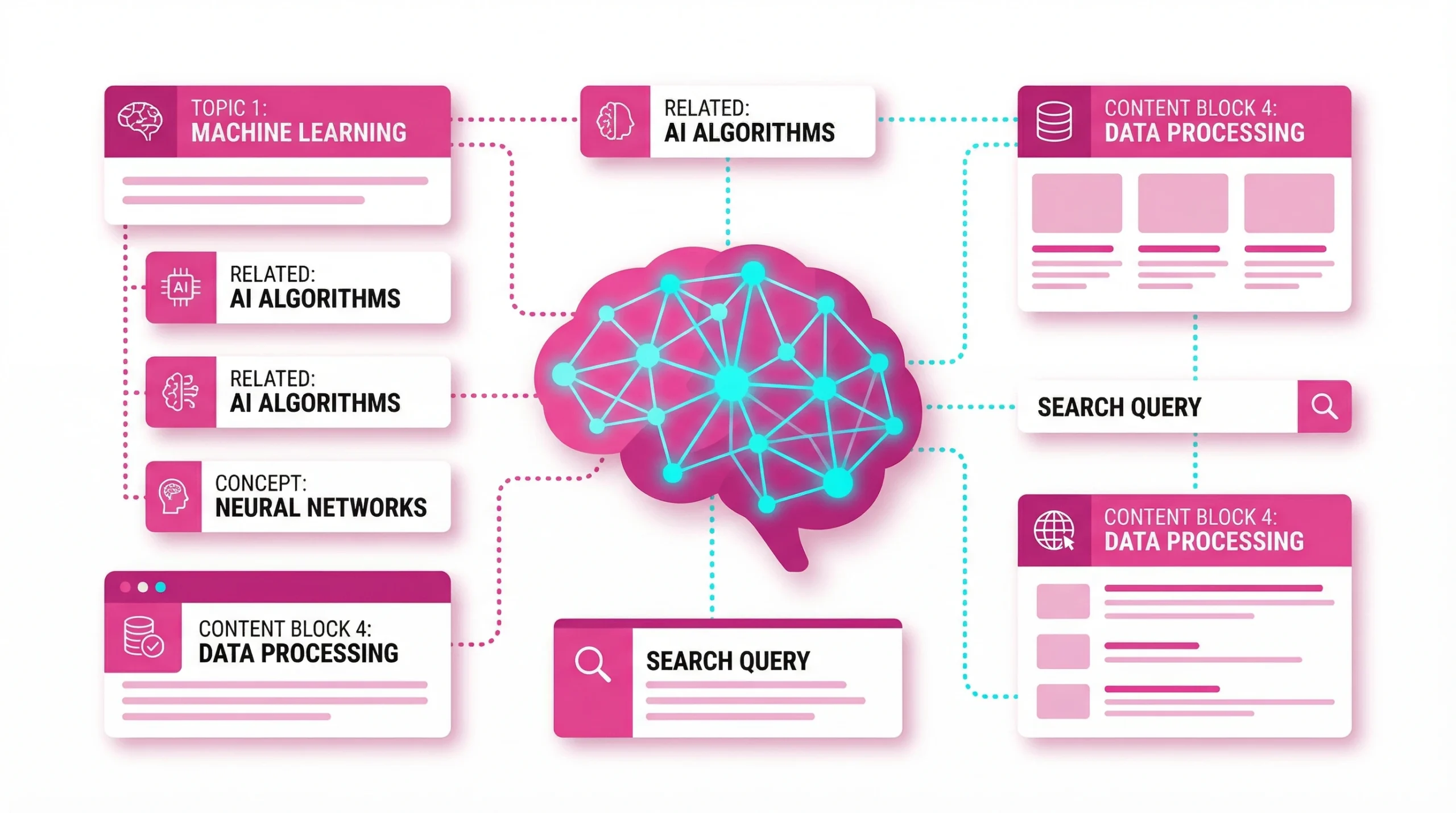
Ranking systems use layered technologies to decode the context of content. Understanding these systems helps you optimize your content with greater precision.
Google Knowledge Graph and Entity Indexing
The Google Knowledge Graph is a vast database of entities and the semantic relationships between them. When you establish clear entity associations through structured data, authoritative mentions, and contextual writing, you help Google connect your pages to the right knowledge clusters and surface them in relevant search results.
Role of Search Intent in Semantic SEO Strategies
Every search query carries intent: informational, navigational, transactional, or commercial. Semantic SEO strategies prioritize matching your content format and depth to that specific intent. Understanding the intent behind a query is not optional — it is foundational to how search engines evaluate relevance.
NLP Advancements: RankBrain, BERT, and MUM
Three major updates have shaped how ranking systems understand language:
- RankBrain — Google’s first machine learning signal, launched in 2015, interprets unfamiliar queries by mapping them to similar past searches.
- BERT — Launched in 2019, BERT uses natural language processing to understand word relationships within full sentences, not just individual terms.
- MUM — A multimodal model capable of processing content across text, images, and multiple languages simultaneously.
Each of these systems moves core ranking algorithms further away from keyword matching and toward genuine language understanding.
Why Entity-First Indexing Is Reshaping Search Results
Modern algorithms no longer rely solely on keywords to rank pages. Entity-first indexing allows them to understand who created the content, what it is about, and how it connects to the broader web of knowledge. This shift rewards clarity, structural depth, and expert coverage over repetitive use of a search term.
Semantic SEO Best Practices for Google Search
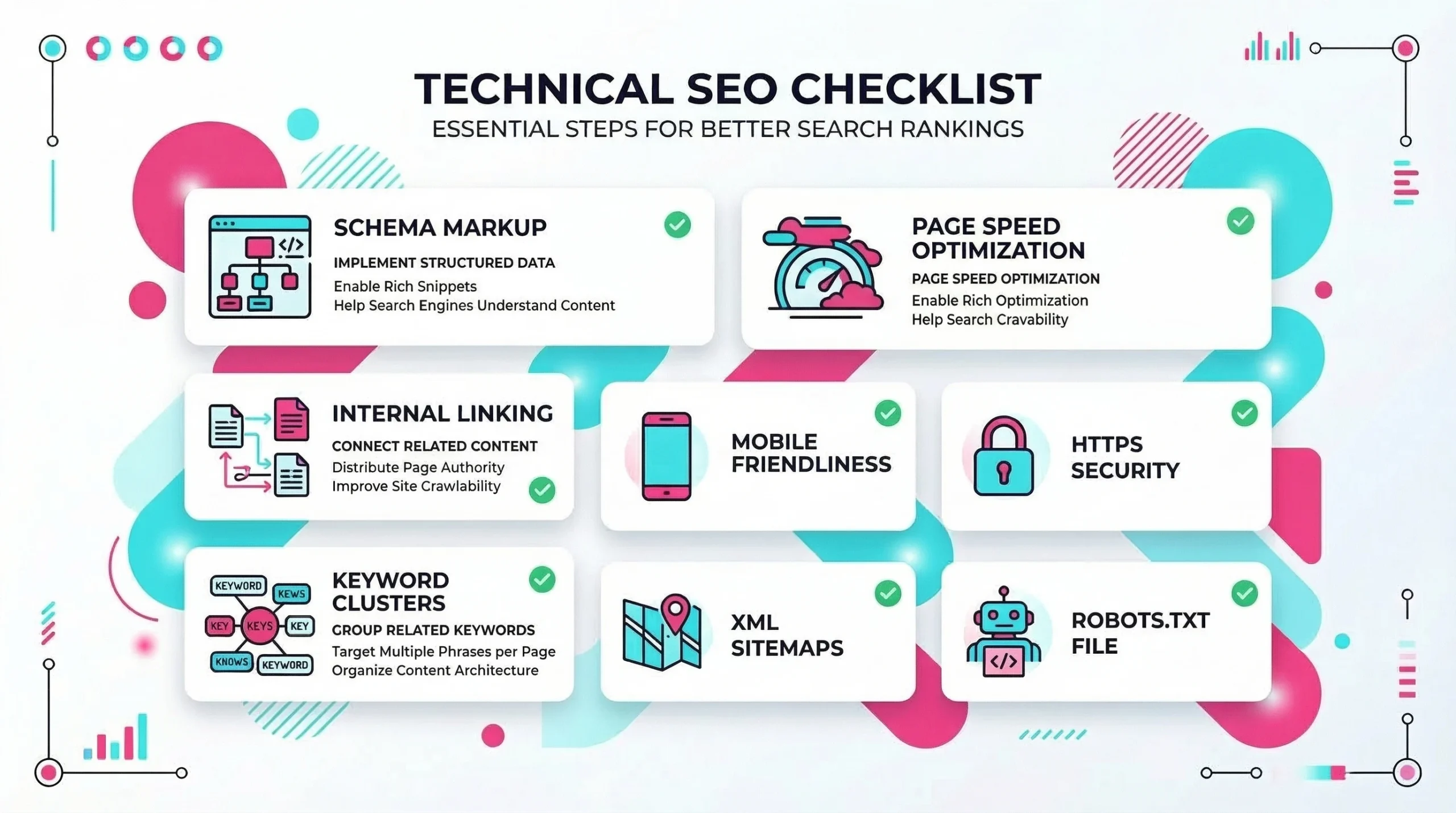
Applying semantic SEO principles across your site requires both strategic planning and consistent technical execution.
Perform Semantic Keyword Research
Semantic keyword research goes beyond finding high search volume terms. It involves identifying topic clusters, related entities, and the full range of questions users ask around a subject. This approach ensures your content addresses the complete semantic scope of a topic, not just its surface-level variations.
Build Clear Internal Linking Structure
Internal links help search engines understand the context and hierarchy of your content. When you link semantically related pages together, you signal topical relationships and guide both users and search engines through your site’s structure effectively.
Implement Structured Data and Technical SEO
Use structured data markup — based on Schema.org vocabulary — to provide machine-readable signals about your content’s entities, authorship, and topic focus. This is a critical technical component of semantic SEO because it makes it significantly easier for algorithms to parse and categorize your pages accurately.
Produce In-Depth, Well-Structured Content
Well-structured content consistently outperforms content padded for length. Pages that address a topic comprehensively, use clear headings, and incorporate related terms naturally perform better in semantic search. The goal is to optimize your content for depth and coherence, not word count.
Optimize Page Metadata for Semantic Relevance
Title tags, meta descriptions, and header tags should reflect the full semantic scope of your content. Incorporating semantic keywords into metadata reinforces the topic focus for both users and indexing bots scanning your pages during indexing.
Effective Semantic SEO Strategies for Content
Building a content strategy around semantic SEO principles requires a systematic approach to planning, creation, and ongoing optimization.
Use Topic Clusters to Structure Your Site
Topic clusters organize your content into a hub-and-spoke model: one authoritative pillar page surrounded by supporting content on related subtopics. This structure is a cornerstone of SEO and content marketing strategy because it demonstrates topical authority at scale and reinforces semantic relationships between pages.
Develop Comprehensive Content Outlines
Before writing, map out all sub-questions, related entities, and contextual angles a topic requires. A strong outline ensures that your content for semantic SEO addresses the full scope of a subject rather than just its surface keywords. Outlines are where semantic strategy becomes practical writing structure.
Answer People Also Ask Questions Effectively
People Also Ask boxes are a direct window into the semantic layer of discovery. Addressing these questions within your content increases the likelihood of appearing in featured results and aligns your pages with the conversational queries that generative AI models increasingly favor.
Focus on Content Richness Rather Than Length
Content richness means covering a topic with precision, variety, and semantic depth. A well-structured 900-word page that fully addresses user intent often outperforms a 2,500-word page that repeats the same ideas with minor variations. Relevance to algorithms comes from quality, not quantity.
Map User Intent to Specific Topics
Each page on your site should target a specific intent category. Mapping user intent to topics prevents keyword cannibalization, clarifies your site structure, and ensures that every piece of content serves a distinct purpose within your broader SEO and content marketing approach.
Evolution of the Google Search Algorithm
Understanding how Google’s algorithm has evolved makes clear why implementing a semantic SEO strategy matters so much in today’s competitive environment.
Hummingbird and Impact on Conversational Search
Google’s Hummingbird update in 2013 marked a decisive shift toward conversational query understanding. Rather than matching individual keywords, Hummingbird interpreted the full meaning of a search query — a pivotal moment for semantic search and the foundation for everything that followed.
RankBrain: Machine Learning in SEO
RankBrain brought machine learning into core search ranking. It interprets ambiguous queries by mapping them to related past searches, making search engine results more accurate even when exact-match content does not exist for a given query.
BERT: Natural Language Processing Breakthroughs
BERT transformed how ranking models interpret language by analyzing word meaning within full sentences. This breakthrough made natural, precise writing essential for SEO — and keyword-engineered content significantly less effective. According to Google’s official BERT announcement, the update affected one in ten English search queries at launch.
Future of Semantic Search and AI Models
The future of information retrieval is multimodal, conversational, and increasingly personalized. With generative AI reshaping the search generative experience, content that demonstrates genuine expertise and trustworthiness will consistently rank higher in search engines over time.
Tools for Semantic SEO Optimization
The right tools make implementing a semantic SEO strategy far more manageable. Below are the most useful options available today:
Google Autocomplete and Related Searches
Free and highly practical, Google Autocomplete reveals exactly how real users phrase search queries. Related Searches at the bottom of search engine results pages surface semantic variations of your target terms without requiring any paid subscription.
Main Advantages:
- Real-time data on trending search patterns.
- Zero-cost entry for semantic keyword discovery.
- Direct insight into Google’s own associations between terms.
- Identifies local and long-tail variations instantly.
Link: Google Search
AnswerThePublic for Question-Based Research
AnswerThePublic visualizes the full landscape of questions and comparisons users form around any search term. It is one of the most effective tools for identifying content gaps and semantic keyword clusters quickly.
Main Advantages:
- Visual mapping of “Who, What, Where, When, Why” queries.
- Excellent for identifying high-value “People Also Ask” opportunities.
- Reveals hidden search intent through prepositional and comparison data.
- Streamlines the process of creating FAQ sections.
Link: AnswerThePublic
Ahrefs and SE Ranking for Cluster Discovery
Ahrefs — In-depth keyword clustering, topic gap analysis, and search volume data for building comprehensive content strategies.
- Main Advantages:
- Comprehensive “Content Gap” tool to find missing semantic topics.
- Parent Topic identification for easier clustering.
- Massive database of global search queries and click data.
- Competitor analysis to see which entities drive their traffic.
- Link: Ahrefs
SE Ranking — Semantic grouping of keywords, competitor content analysis, and SERP feature tracking for ongoing optimization.
- Main Advantages:
- Automated keyword grouping based on SERP similarity.
- Detailed SERP feature tracking (Snippets, Knowledge Panels).
- On-page SEO checker with semantic density analysis.
- Integrated marketing plan for structured growth.
- Link: SE Ranking
AlsoAsked and Google Autocomplete
AlsoAsked maps hierarchical relationships between People Also Ask questions, showing exactly how topics branch into semantic subtopics. Combined with Google Autocomplete, it provides a complete picture of the intent behind search queries at multiple levels.
Main Advantages:
- Visualizes the “branching” of user curiosity.
- Perfect for designing site architecture and deep-dive articles.
- Helps prioritize sub-topics based on search engine proximity.
- Clarifies the relationship between primary entities and secondary attributes.
Link: AlsoAsked
Specialized Tools for Content Optimization
The following tools help you optimize your content for semantic relevance. Each integrates semantic analysis into its core workflow:
- Surfer SEO — Scores your content against top-ranking competitors using NLP signals and semantic term frequency. Best for optimizing existing pages and new drafts.
- Clearscope — Grades content by semantic keyword coverage, helping writers use structured data and topically relevant terms. Strong integration with Google Docs.
- MarketMuse — Topic modeling platform that identifies content gaps and suggests subtopics needed for topical authority. Excellent for large-scale content planning.
- Semrush — Full-suite SEO platform with keyword clustering, topic research, and competitive content gap tools. Widely used across digital marketing teams.
Tools like Surfer SEO, in particular, analyze top-ranking pages to surface the semantic terms your content should include to show search engines that your coverage is complete and authoritative.
Advanced Methods Optimized for Semantic SEO
Beyond foundational practices, several advanced techniques can meaningfully lift your semantic visibility in both traditional and AI-driven search environments.
Optimize Content for Voice Search
Voice queries tend to be longer and more conversational than typed ones. Optimizing your content to answer natural-language questions improves relevance to voice assistants and AI-driven summaries, both of which increasingly favor semantically structured answers.
Leverage FAQ Blocks for Rich Results
FAQ schema is one of the most effective forms of structured data for semantic SEO. It also signals to search engines that your content directly answers specific questions, increasing the likelihood of rich result appearances across search engine results pages.
Steps for leveraging FAQ schema effectively:
- Identify common questions from People Also Ask and AnswerThePublic for your target topics.
- Write clear, direct answers of 40 to 60 words per question.
- Apply FAQ schema markup using your CMS plugin or manually via JSON-LD.
- Monitor rich result performance through Google Search Console.
Target Long-Tail Keywords for Niche Traffic
Long-tail keywords often carry lower search volume but significantly higher intent specificity. Incorporating semantic keywords through long-tail variations helps you reach users further along the decision-making process, where conversion rates are typically stronger.
Use Semantic Markup for Machine-Readable Content
Structured data types — including Article, HowTo, Product, FAQ, and BreadcrumbList — give Google machine-readable context about your content. This approach makes it easier for ranking systems to feature your pages in enhanced result formats and AI-generated summaries.
Measuring the Success of Your SEO Efforts
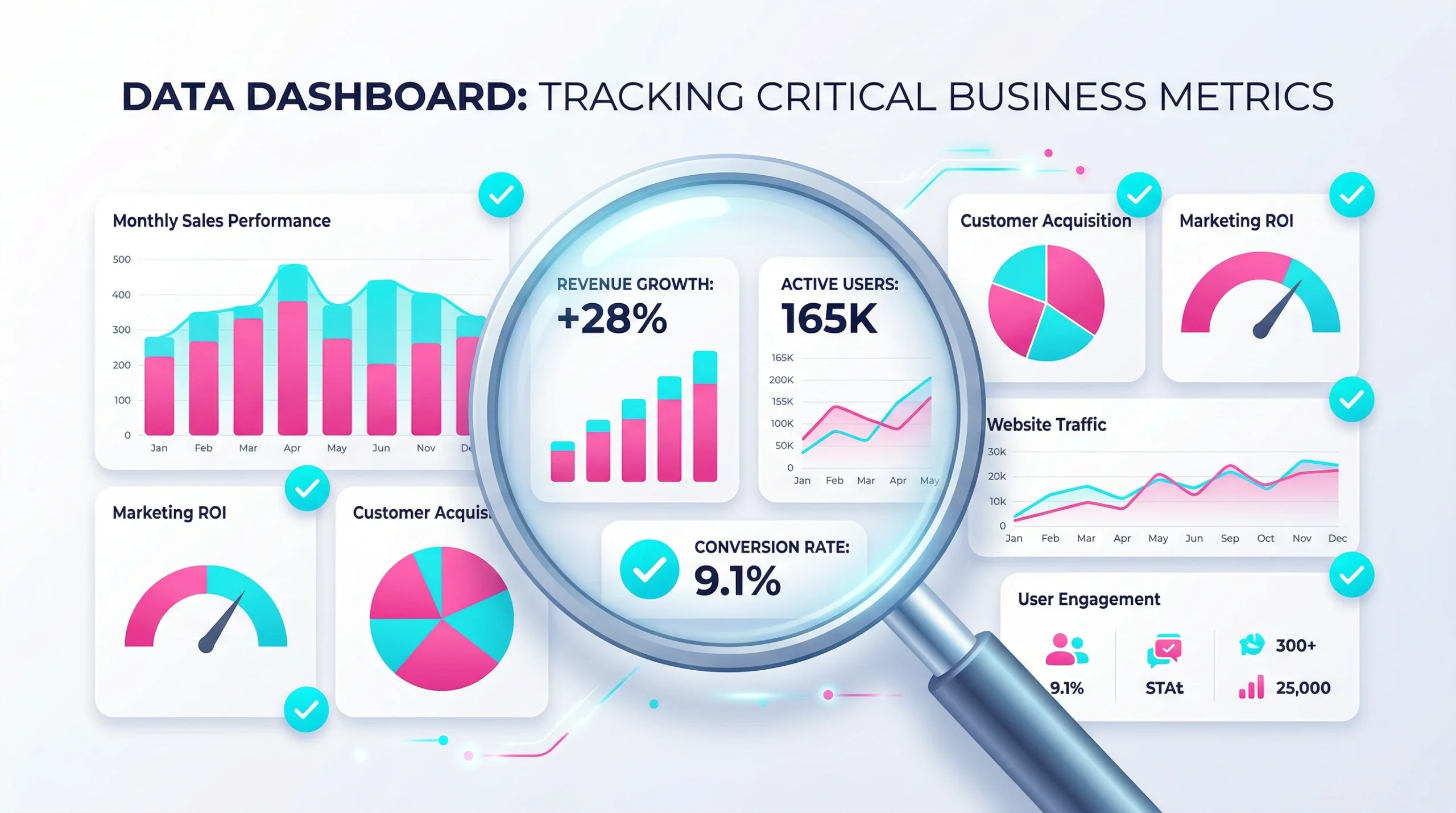
Tracking semantic SEO performance requires a different measurement approach than traditional keyword rank tracking alone.
Key Metrics to Monitor for Topical Growth
- Organic keyword count expansion over time — a strong indicator of semantic reach
- Number of featured snippet and People Also Ask appearances
- Topical coverage score compared to key competitors
- Pages per session and average session duration
- Internal link click patterns across your topic cluster
Performance Tracking in AI-Driven Search Features
Monitor your presence in AI Overviews, featured snippets, and knowledge panels using Google Search Console alongside third-party tools. Search Console’s Performance report reveals how well your semantic signals are being recognized across different result formats.
Analyzing Keyword Expansion Through Entities
When entity optimization is working, you will see pages ranking for terms you never explicitly targeted. This organic keyword expansion is one of the clearest signs of effective semantic SEO.
How Semantic SEO Has Changed the Search Landscape
Semantic SEO has fundamentally altered what it means to rank well in search engine results, shifting the entire discipline toward quality and context.
Shifting From Keyword Density to Topical Depth
The older ranking model rewarded pages that repeated keywords frequently. Modern search engine algorithms penalize shallow content and reward pages that cover topics with genuine expertise. Effective SEO is now the process of demonstrating knowledge, not engineering keyword ratios.
Impact on Local and Mobile Search Results
Local SEO has been significantly transformed by semantic search. Search engines now connect businesses to local queries through entity associations — business name, location, category, and reviews — rather than keyword matches alone. Mobile users, who phrase search queries conversationally, benefit most from semantic search engine optimization applied at the local level.
Adapting to User-Centric Search Patterns
Users no longer search with isolated keywords. They ask full questions, describe problems in natural language, and expect precise answers. Adapting your digital marketing strategy to this reality — by incorporating semantic SEO principles throughout content production — is a long-term necessity, not an optional upgrade.
Frequently Asked Questions
Yes, Google is one of the most advanced semantic search engines available. It uses the Knowledge Graph, BERT, MUM, and its own neural language models to interpret the meaning behind search queries, identify entities, and deliver results based on context rather than simple keyword matching. The shift began with Hummingbird in 2013 and has accelerated with each major algorithm update since.
Semantic search NLP refers to the application of natural language processing within search engines to understand relationships between words, sentences, and concepts. It allows search engines to interpret ambiguous queries, identify user intent, and return results that match the meaning of a question rather than its literal terms, enabling far more accurate and useful search engine results for everyday users.
Semantics affects modern SEO by shifting the ranking model from keyword frequency to contextual relevance, entity recognition, and topical depth. Search engines now reward content that comprehensively covers a topic and accurately matches user intent, which means that effective optimization requires building content around meaning and relationships rather than simply repeating a search term across a page multiple times.
Topical gaps can be identified by comparing your existing content against competitor coverage using tools like Ahrefs or MarketMuse to run content gap analyses, and by reviewing People Also Ask results for questions your pages do not currently address. Any cluster of related questions around your core topics that your content leaves unanswered represents a direct opportunity for semantic expansion and improved rankings.
Not necessarily. While implementing structured data markup does involve some technical familiarity, most modern CMS platforms — including WordPress with plugins like Yoast or Rank Math — handle the technical layer automatically. The strategic side of semantic SEO, including topic research, content structuring, and internal linking, requires no coding expertise whatsoever, making it accessible to most marketing teams.
A keyword is a word or phrase users enter into search engines to find content. An entity is a clearly defined, real-world concept — such as a brand, location, or individual — that search engines recognize and connect to broader knowledge structures through the Knowledge Graph. Keywords drive traffic; entities build long-term authority. Modern semantic SEO bridges both by grounding your keyword strategy in recognized, contextually authoritative entities that search engines trust.