

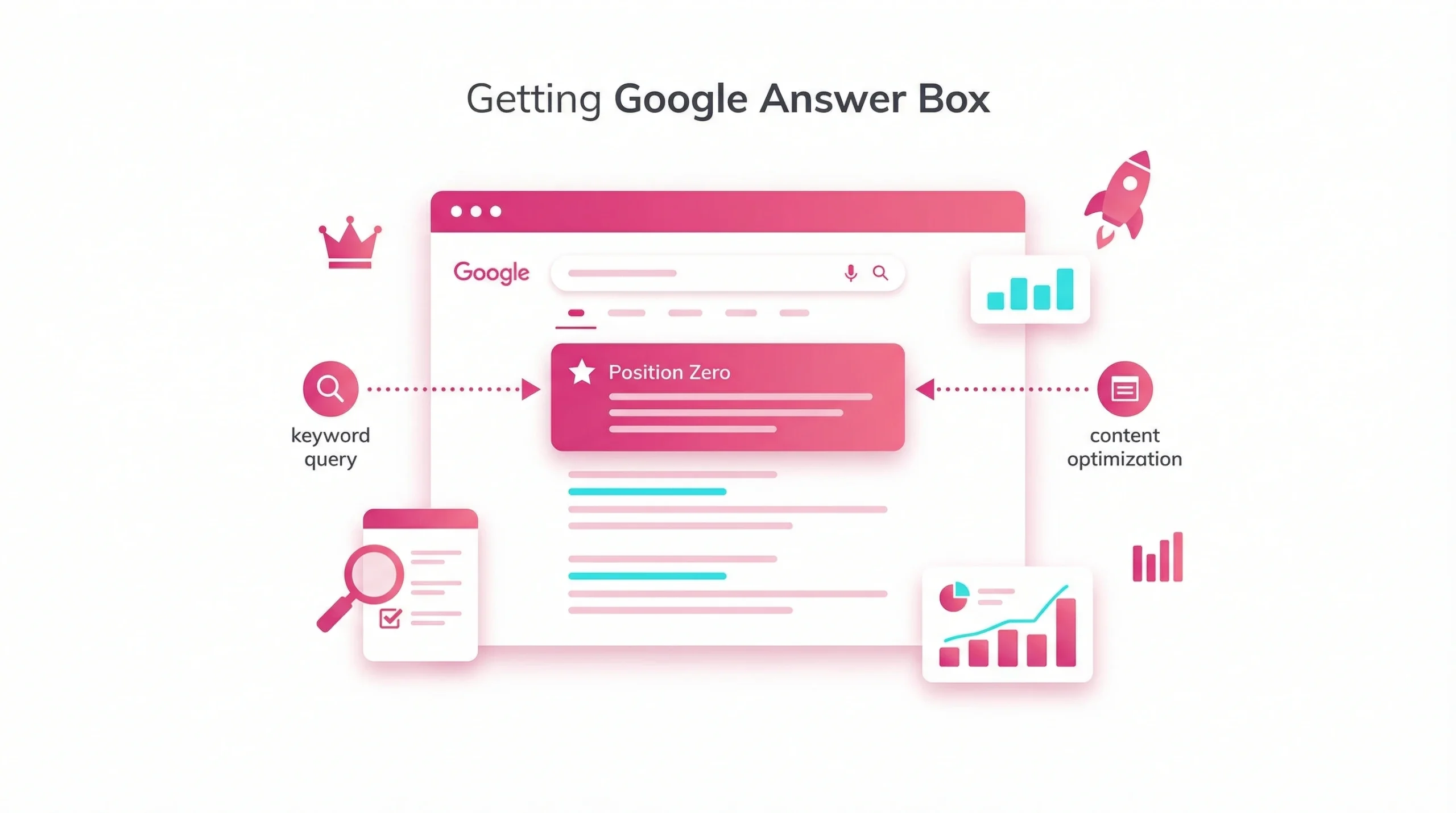
Basics of How to Appear in the Google Answer Box
Featured snippets have fundamentally changed how businesses compete for attention in digital marketing. Understanding the core principles behind the answer box gives you a clear, actionable path toward securing this prime position on any results page.
Definition of Featured Snippets
A featured snippet is a selected excerpt that a search engine pulls from a webpage and displays at the top of its results page, above standard organic listings. Often referred to as “Position Zero,” this answer box presents a direct response to a user’s query without requiring them to click through to a website. Google selects this content automatically based on relevance and content quality.
Importance for Search Visibility
Being the first item a searcher sees on the page builds immediate perceived authority. Even when a user finds a sufficient answer within the snippet itself, the brand impression has already been made. For businesses investing in digital marketing, this exposure is significant, independent of direct traffic.
Main Types of Featured Snippets in Search
Google populates its answer boxes in four primary formats. Understanding these helps you shape content appropriately:
- Paragraph snippets — a short text block directly addressing a factual question
- List snippets — numbered steps or bulleted collections of related points
- Table snippets — structured data displayed in grid format for comparisons
- Video snippets — a timestamped video clip from YouTube or a similar platform
Factors to Appear in the Google Search Results
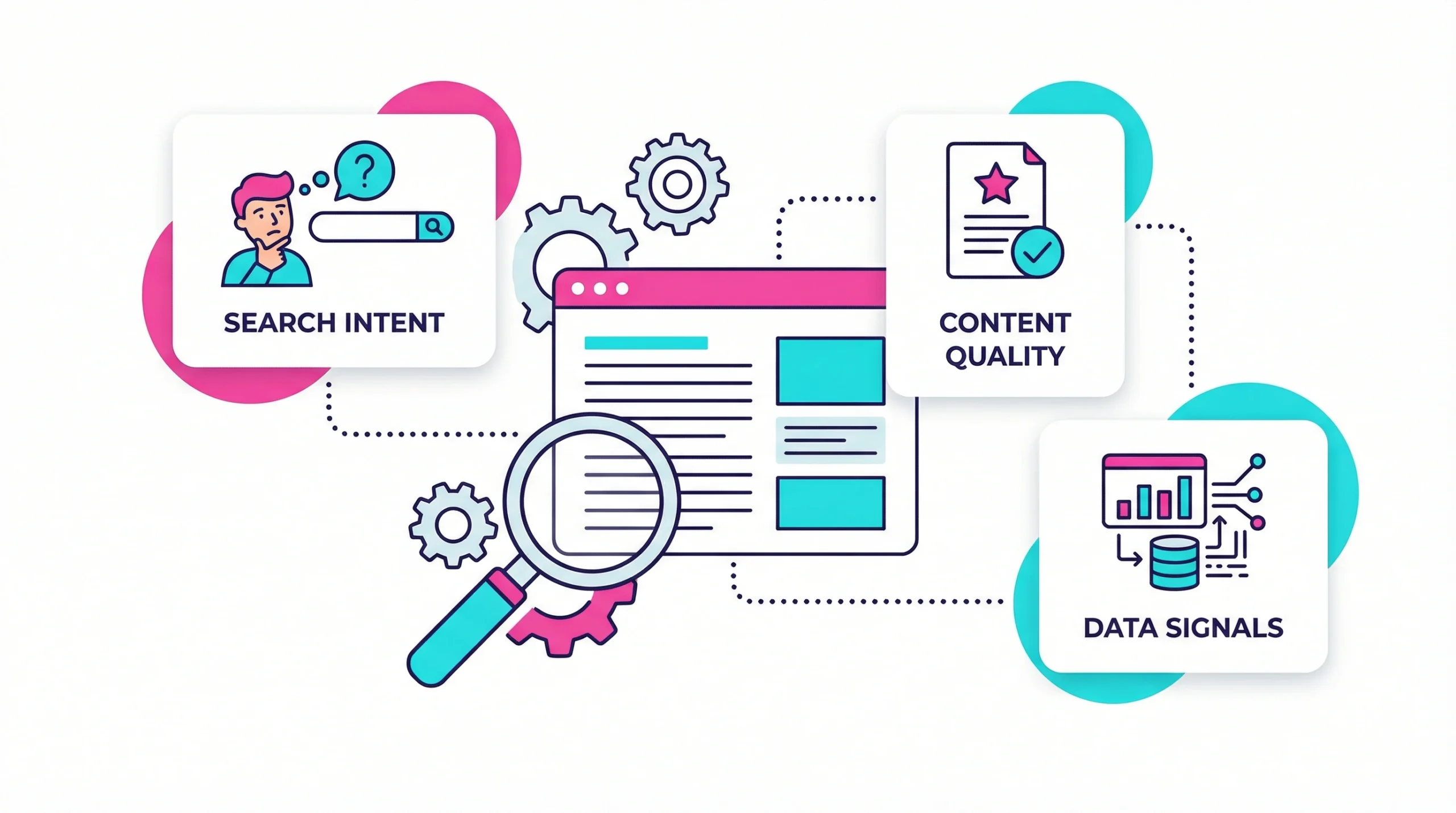
Not every page earns a place in the answer box. The search engine evaluates a combination of content relevance, structural quality, and domain credibility before selecting any result. Knowing what drives these decisions shapes a more effective strategy.
Analysis of Search Intent
Search intent is the underlying reason behind any query. When a searcher types a question into a search engine, they signal the type of response they expect — instructional, definitional, or comparative. Aligning your content format with that intent is the most direct path to snippet eligibility.
Queries beginning with “how,” “what,” and “why” trigger informational intent and are among the most common featured snippet sources.
Content Signals for Ranking
Google evaluates several content-level signals when determining answer box candidates:
- Clear, direct prose that provides an answer to the question without padding
- Logical structure built around a consistent header hierarchy
- Topic depth that goes beyond surface-level summaries
- Consistent accuracy across all factual claims on the page
Impact of Diverse Query Types
Voice search queries tend to be longer and more conversational than standard typed search queries. Digital marketing professionals increasingly optimise for both, since a page that ranks well across traditional SERPs often benefits from voice search visibility simultaneously. Covering varied phrasing of the same topic significantly widens your opportunity window.
Content Structure to Get Featured in Search
Structure is one of the most decisive factors in earning a featured snippet. A well-organised page allows the search engine to parse and extract content rapidly, which directly increases eligibility.
Proper Use of Headings
Every header on your page should reflect a genuine search query or a logical subtopic. H2 and H3 headings act as navigational signals for the search engine, indicating what each section covers. Think of each header as a direct question that the content below it is prepared to answer.
Directly Answer the Question in Your Text
Place a concise, direct answer to the question within the first 50 to 60 words of each relevant section. The clearer the answer to the question, the easier it is for a search engine to extract and present it. Avoid burying the key point inside lengthy qualifications or preambles.
A useful test: read only the first two sentences of each section. If they do not fully communicate the main point, restructure accordingly.
Implementation of Lists and Ordered Content
When your topic involves steps, rankings, or grouped options, lists communicate structure at a glance. Google frequently pulls list content into SERP snippets because it is scannable and easy to parse. Use ordered lists for sequential processes and unordered lists for non-ranked collections.
Role of Structured Data and Schema Markup
Schema markup helps the search engine interpret what your content represents. Using FAQ schema, HowTo schema, or Article schema reduces ambiguity about each section’s purpose. This can help Google identify the most relevant section to surface in an answer box, though the underlying content quality must stand on its own.
Best Ways to Write Content for the Quick Answer
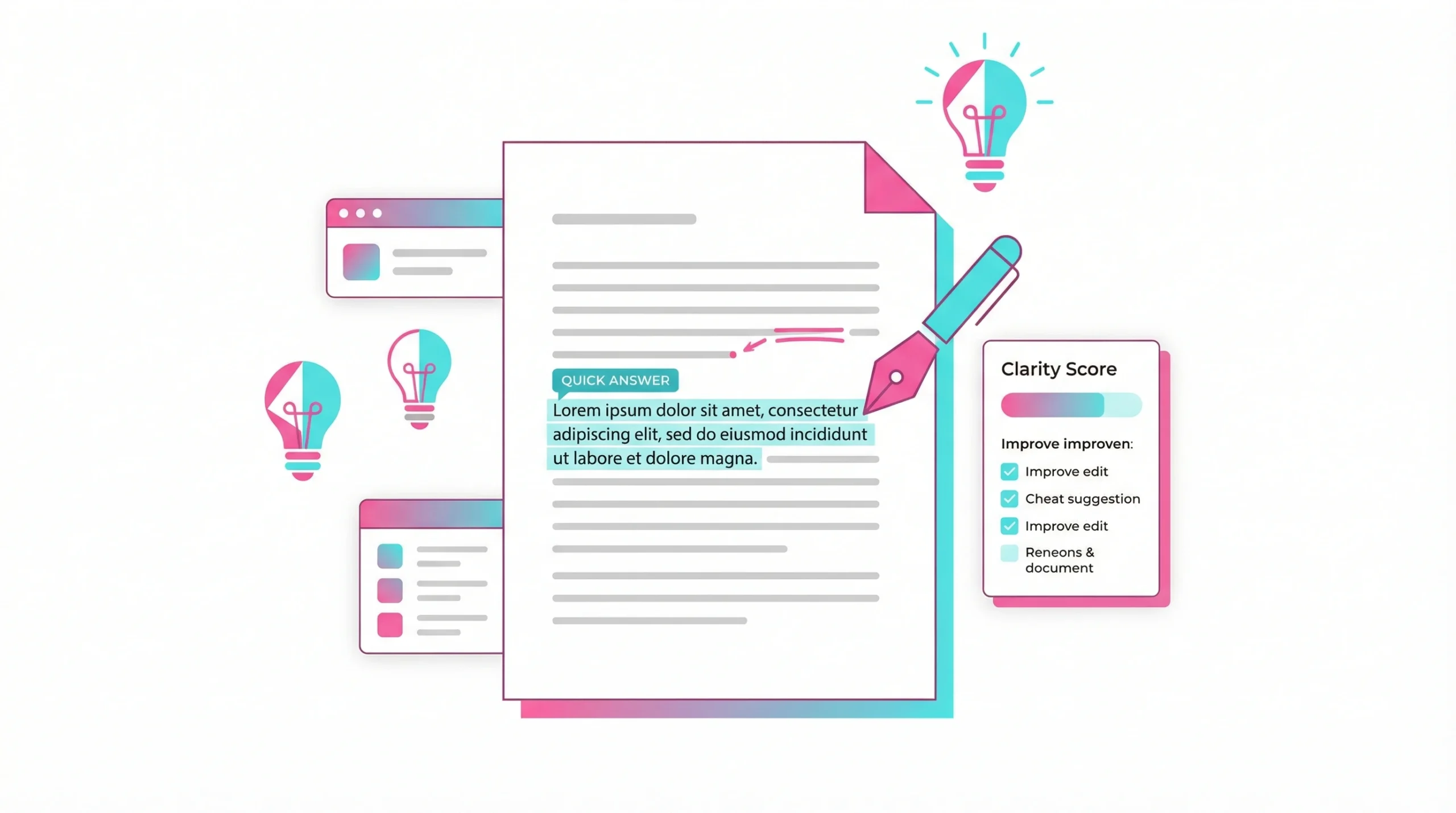
Content quality outweighs any technical optimisation shortcut. Writing with clarity, precision, and genuine expertise provides the foundation every high-ranking page requires.
Clear Language Requirements
Use plain, direct language throughout. Short sentences outperform complex compound structures when delivering factual answers. If your answer to the question requires more than two sentences, consider whether it can be restructured as a short list or broken into smaller sub-sections.
Readability matters not only for users but also for the search engine. Both benefit from the same clarity.
Establishing Topic Expertise
Demonstrating expertise means providing context and depth that general overviews skip. Cite relevant data, reference verifiable research, and address nuances your audience genuinely cares about. This signals to both readers and the search engine that your content is authoritative rather than simply keyword-optimised.
Accuracy and Fact-Checking Standards
Every factual claim should be verifiable against a primary source. Inaccurate content is penalised under Google’s quality evaluator standards and damages reader trust. Reviewing claims before publishing separates genuinely authoritative content from filler that temporarily ranks before being displaced.
Optimize Your Page for Various Snippet Formats
Different query types trigger different answer box formats. Tailoring content to each increases your probability of appearing across a broader range of search queries and SERPs.
Paragraph Snippet Optimization
Write a concise explanation in 40 to 60 words immediately following a header that mirrors the question. This format works best for “what is,” “who is,” and “why does” queries. Avoid long introductory clauses before reaching the actual answer.
List Snippet Requirements
When creating list content, follow these guidelines to maximise snippet eligibility:
- Keep each item brief — ideally under 12 words
- Begin instructional items with action verbs
- Include a minimum of five list items per section
- Avoid nesting lists more than one level deep
- Use consistent grammatical structure across all items
Video and Multimedia Snippets
Video content should include accurate timestamps and descriptive titles that reflect common search queries. Google regularly surfaces YouTube clips that directly answer how-to questions. Pairing video content with supporting written text allows both formats to compete for featured placements independently.
Table Snippet Best Practices
Tables perform strongly for comparisons, pricing tiers, and feature breakdowns. Keep the following in mind:
| Table Element | Recommended Approach |
| Row count | 5 to 8 rows for clarity |
| Column headers | Descriptive, query-relevant labels |
| Cell content | One concise value per cell |
| Mobile display | Ensure full responsiveness on small screens |
| Data consistency | Use uniform units and formatting throughout |
Strategic Steps to Appear in the Answer Box
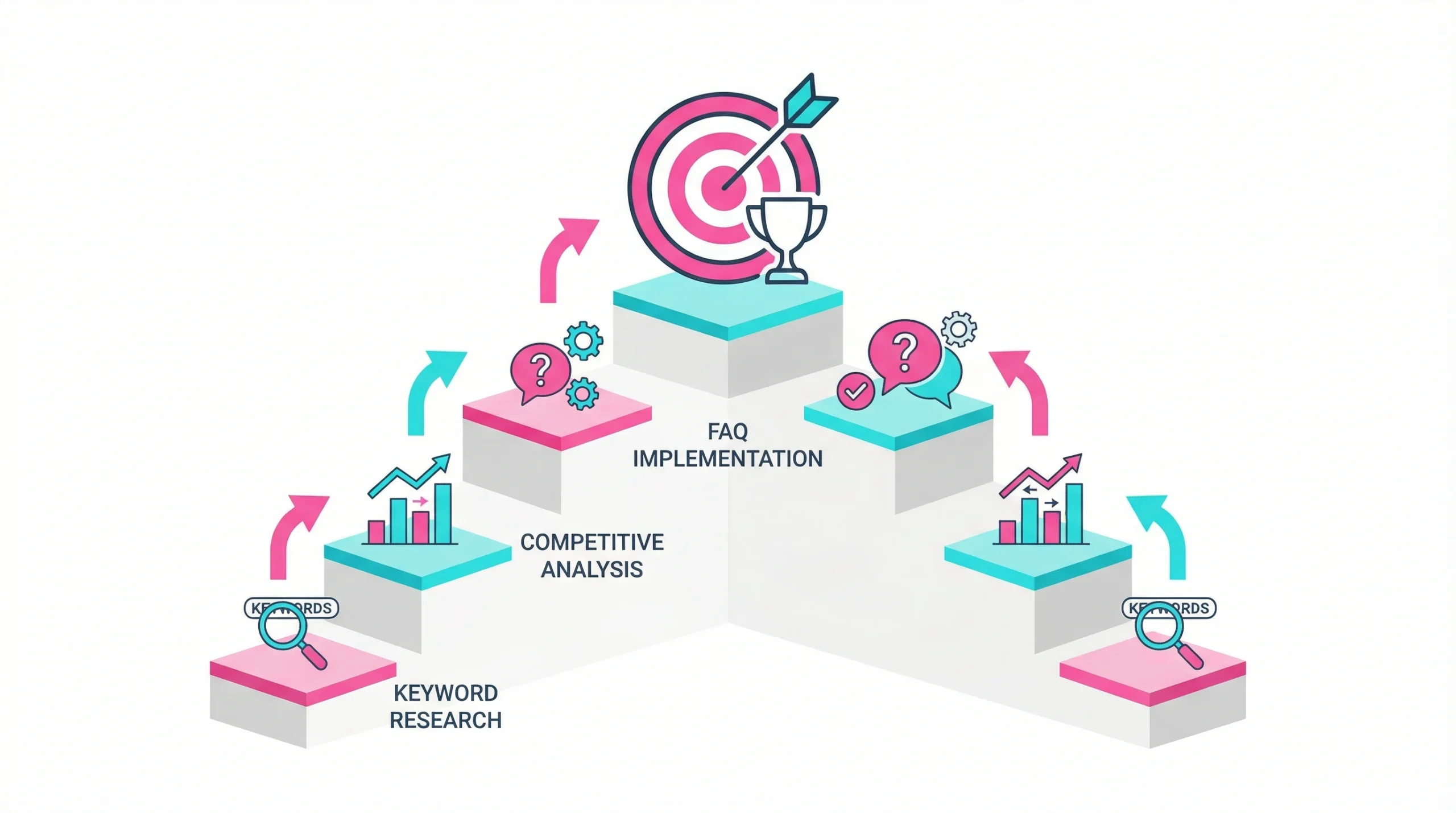
A deliberate strategy grounded in thorough keyword research consistently outperforms reactive content creation when pursuing featured snippet placements.
Identifying Keyword Opportunities
Begin with structured keyword research to identify which queries already trigger answer boxes in your niche. Tools such as Ahrefs, SEMrush, and Google Search Console reveal which search queries your site currently ranks for in the top ten positions — the range from which featured snippets are almost exclusively drawn. Research published by Ahrefs found that over 99% of featured snippets originate from pages already appearing in the top ten organic results.
Targeting Existing Answer Box Queries
Review your current SERP rankings and focus on pages sitting between positions two and ten. These are your highest-priority candidates for restructuring. Adding a clear header, a direct answer to the question, and well-formatted lists often moves an existing page into Position Zero without requiring entirely new content.
Creating FAQ Sections That Answer the Question
FAQ sections are consistently effective at capturing paragraph-based snippets. Google’s official documentation on featured snippets confirms that well-structured question-and-answer content aligns directly with how answer boxes are populated. Phrase each FAQ question exactly as a real searcher would type it into a search engine.
Answering Five Ws and One H
For every topic, build content around Who, What, When, Where, Why, and How. This approach ensures comprehensive coverage of the search queries your audience uses most frequently, and it mirrors the formats that most reliably trigger featured snippet selection.
Technical and User Experience Enhancements
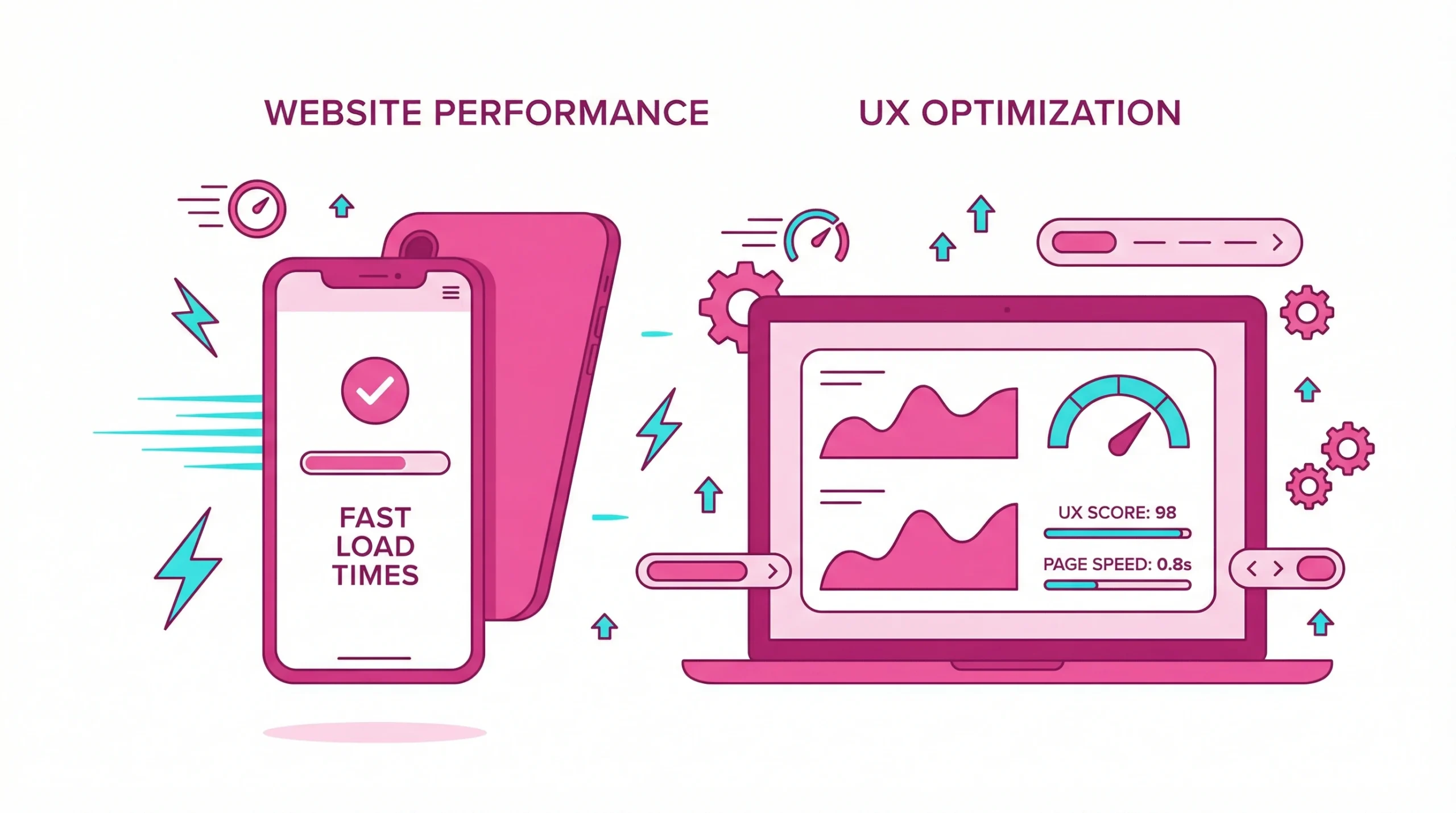
Even well-written content can underperform without a solid technical foundation. Page performance and domain authority both contribute to answer box eligibility.
Improving Website Loading Speed
Page speed directly affects ranking and user experience. A slow-loading page reduces crawl efficiency and frustrates the searcher before they even engage with the content. Google’s PageSpeed Insights tool provides specific, actionable guidance for reducing load times across device types.
Core Web Vitals — particularly Largest Contentful Paint and Cumulative Layout Shift — are measurable targets that align directly with search engine ranking signals.
Building Domain Authority
Pages from high-authority domains earn featured snippets at a significantly higher rate than those from newer or less-established sites. Consistent content quality, inbound links from credible sources, and a clean technical record all contribute to the domain-level trust that helps Google determine which pages are reliable sources.
Mobile Optimization for Answer Boxes
Voice search is predominantly a mobile behaviour. Since voice search queries increasingly define how people interact with a search engine on handheld devices, pages that display well on small screens and load quickly are better positioned for both voice and traditional SERP visibility. Responsive design is no longer optional for any page targeting featured placements.
Performance Tracking with SEO Tools
Measuring how your content performs in answer boxes is essential for refining your approach and understanding the real impact on your digital marketing outcomes.
Analytics Tools for Monitoring
Google Search Console provides impression and click-through data for specific search queries, making it the most direct source of snippet performance information. Third-party platforms such as SEMrush and Ahrefs include dedicated snippet tracking features that alert you when pages gain or lose answer box placements. SEMrush’s Position Tracking feature is particularly useful for monitoring SERP volatility across competitive keyword sets.
Competitive Intelligence Gathering
Reviewing which competitors currently hold answer boxes for your target keywords reveals structural gaps in your own content. Analyse their header usage, paragraph length, list format, and overall page depth to identify patterns that are working in your specific niche.
The goal is not imitation but informed differentiation — doing what works while offering greater depth and clarity.
Measuring Traffic Impact
Not every featured snippet drives meaningful traffic. Queries that are fully answered within the snippet often reduce click-through rates to the source page. Tracking both impressions and actual visits helps you distinguish which snippets deliver genuine business value from those that provide brand exposure only.
Future of Search and Snippets
The way search engines surface information continues to evolve rapidly, and featured snippets are increasingly connected to broader AI-driven search formats.
Adaptation to Algorithm Updates
Google refines how it selects and displays answer box content on a regular basis. Following updates through Google Search Central and reputable industry sources ensures your strategy reflects current best practices rather than outdated techniques. Flexibility and consistent content quality are the most reliable long-term defences against ranking volatility.
Integration with AI Overviews
AI Overviews — Google’s generative summaries appearing at the top of many SERPs — draw from similar content signals as traditional featured snippets. Pages that consistently earn Position Zero are well-positioned to be cited within these AI-generated results as the format continues to expand. The same principles of clarity, accuracy, and structure apply to both formats equally.
Long-term SEO Strategy Alignment
Featured snippet optimisation delivers the greatest returns when treated as an ongoing element of a broader digital marketing strategy rather than a one-time project. Revisiting content regularly, updating statistics, and adapting to new query trends compounds visibility gains over time. Consistency, more than any single tactic, drives sustained answer box presence.
FAQs
Not always. Position Zero can drive significant click-through traffic, but some queries are so thoroughly answered within the snippet that the searcher has no reason to visit the page. The impact on click-through rates depends on query complexity and whether the full answer requires more detail than a snippet can display — definitional queries tend to reduce visits, while how-to queries tend to increase them.
Google typically displays one featured snippet per query, though its format may vary — a paragraph may appear alongside an image, or a list may pair with a related video. Occasionally, a single results page includes a featured snippet alongside a “People Also Ask” section, but these are treated as distinct formats rather than duplicate answer boxes for the same query.
There is no fixed timeline. Pages already ranking in the top ten for a target query can gain a featured snippet within days of being updated, while newer pages may take months to establish sufficient authority. Speed depends on domain strength, query competitiveness, and how directly your content answers the intended question relative to existing competitors.
Schema markup helps a search engine understand the nature of your content, but it does not guarantee a featured snippet. Google makes its selection based on content relevance, quality, and structure. Schema reduces ambiguity and can improve eligibility, but the content itself must independently meet the quality standards required for featured placement.
Featured snippets are dynamic — Google reassigns them continuously as content quality shifts across the web. A page may lose its snippet because a competitor published a more structured or comprehensive response, because an algorithm update changed relevance signals, or because the query’s dominant intent shifted. Regular content audits and updates are the most reliable defence against displacement.
Yes, local businesses can appear in answer boxes for informational queries related to their industry or service area. However, the format typically differs from standard snippets — local results often appear within a Local Pack or map result rather than a traditional paragraph or list snippet. Maintaining a complete and accurate Google Business Profile, alongside consistent local citations, supports visibility in these local answer formats.