
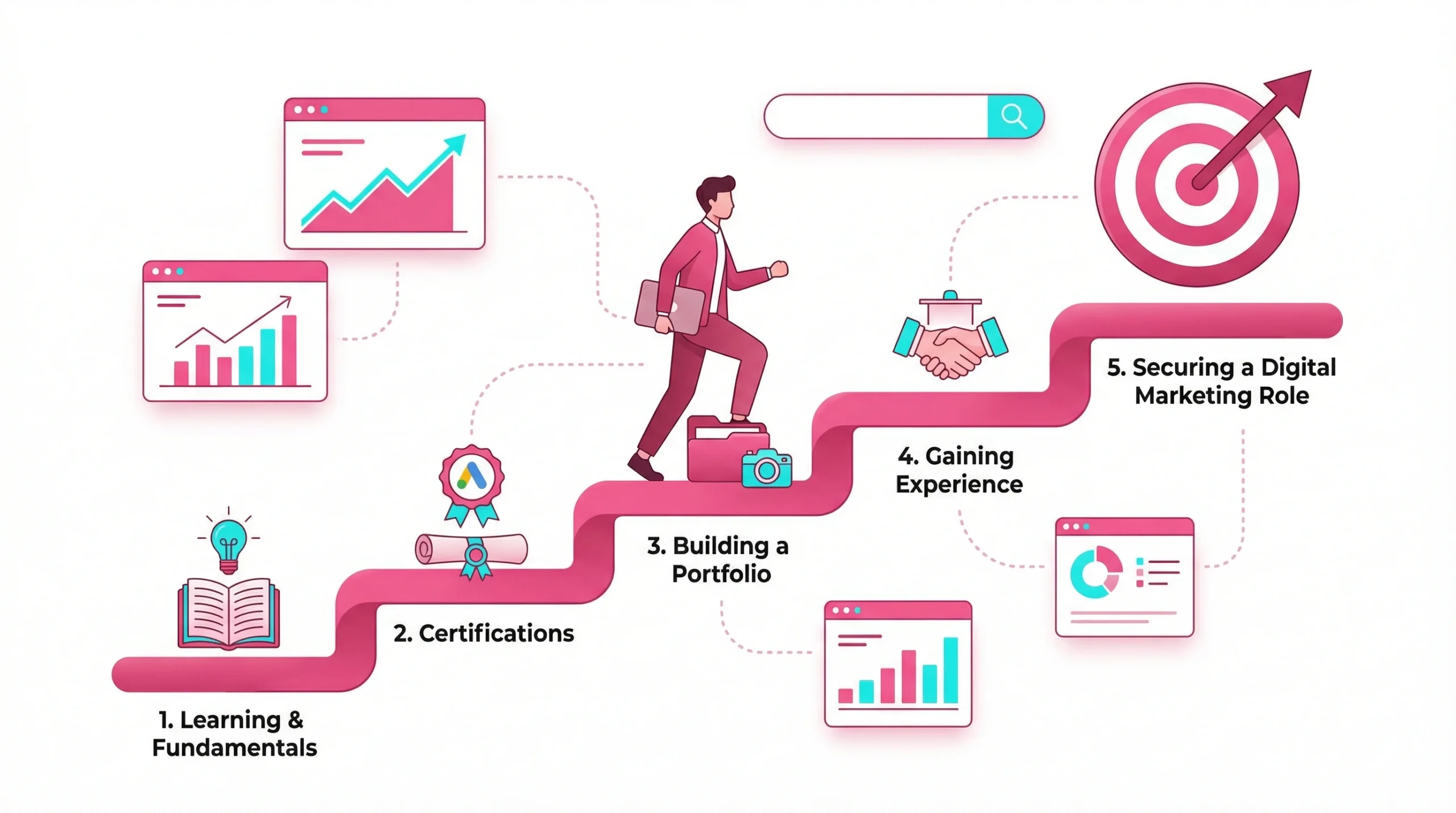
If you are wondering how to get started and become a digital marketer, you are not alone. Digital marketing is one of the most accessible and genuinely rewarding careers available today — yet knowing where to begin can feel overwhelming. This guide walks you through everything from foundational knowledge to landing your first role, whether you are starting fresh or switching from a different field entirely.
Digital Marketing Fundamentals
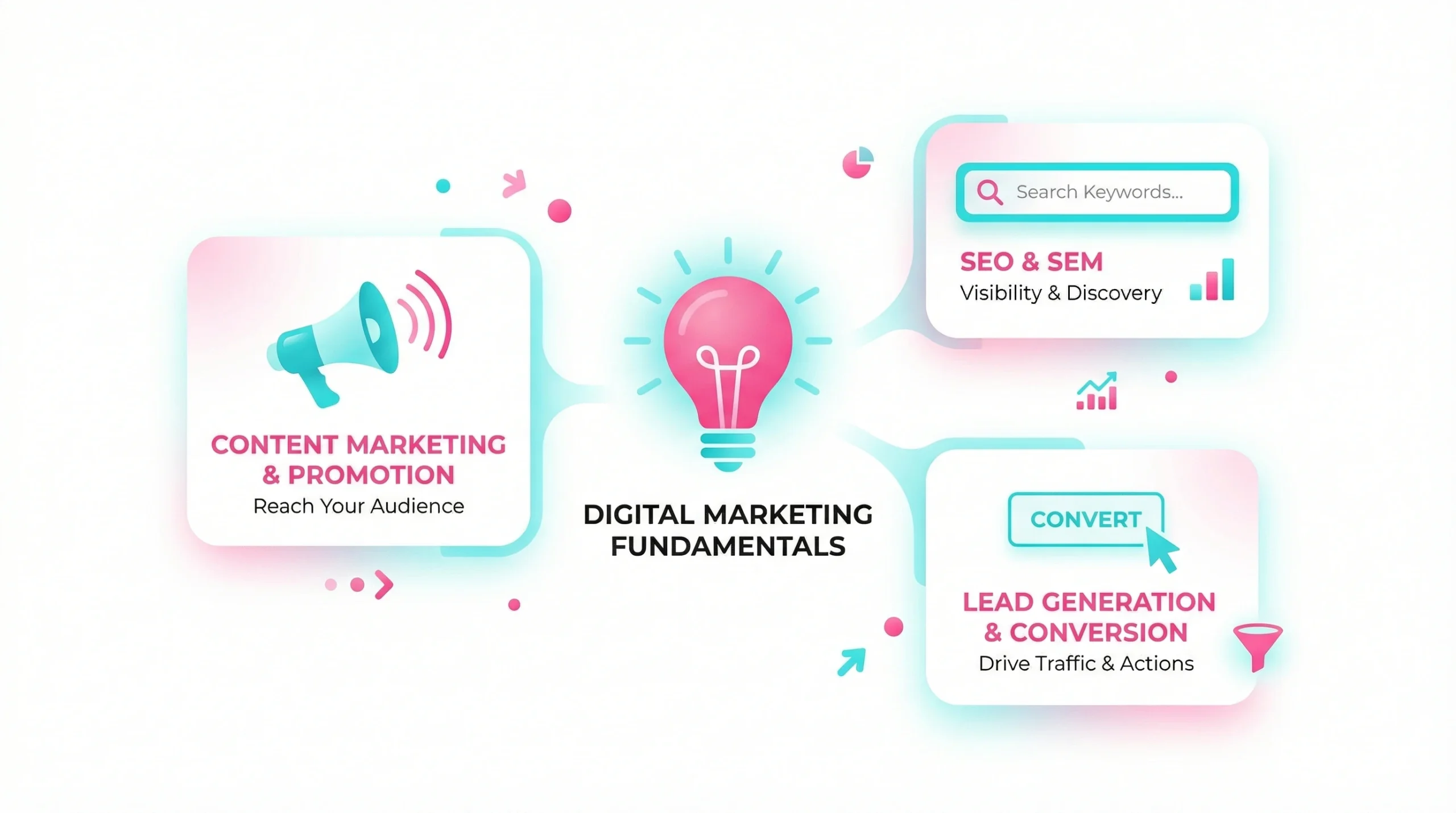
Before diving into tactics, it helps to understand what the field actually involves. Digital marketing has grown from basic banner ads into a sophisticated, data-driven ecosystem that touches every stage of the customer journey.
Core Concepts and Evolution
Online marketing — and digital marketing more broadly — covers any promotional activity delivered through digital channels. The digital marketing landscape has shifted dramatically over the past two decades, evolving from simple email blasts and static websites into a complex mix of search, social, content, and performance channels.
Today’s marketing landscape demands that professionals understand:
- How search engines index and rank content
- The role of data in shaping campaigns
- Customer behaviour across multiple devices and platforms
- The relationship between paid and organic strategies
Traditional marketing relied on one-way broadcast messages. The digital shift changed that — now every action is measurable, and feedback is instant.
Choose Specialisation That Interests You
Before committing to a path, it helps to understand the basics of digital marketing and what each discipline involves. One of the best early decisions you can make is identifying which area aligns with your strengths and interests. The main areas of digital marketing include:
- Search Engine Optimisation (SEO)
- Pay-Per-Click Advertising (PPC)
- Content marketing and editorial strategy
- Social media marketing
- Email marketing
- Affiliate marketing
- Performance marketing and conversion optimisation
Starting with one specialisation gives you depth before breadth — and depth is what employers consistently value early in your career.
Master Key Digital Marketing Tools
Employers expect digital marketers to be comfortable with a core set of platforms and marketing software. Familiarity with these tools signals practical readiness:
| Tool | Purpose |
| Google Analytics | Website traffic and behaviour tracking |
| Google Search Console | SEO performance monitoring |
| Meta Ads Manager | Paid social campaign management |
| Mailchimp / HubSpot | Email marketing and automation |
| SEMrush / Ahrefs | Keyword research and competitive analysis |
| Canva / Adobe Express | Visual content creation |
| Hootsuite / Buffer | Social media scheduling and reporting |
Getting hands-on experience using these platforms — even through free trials — is genuinely invaluable when applying for your first role.
Essential Digital Marketing Skills
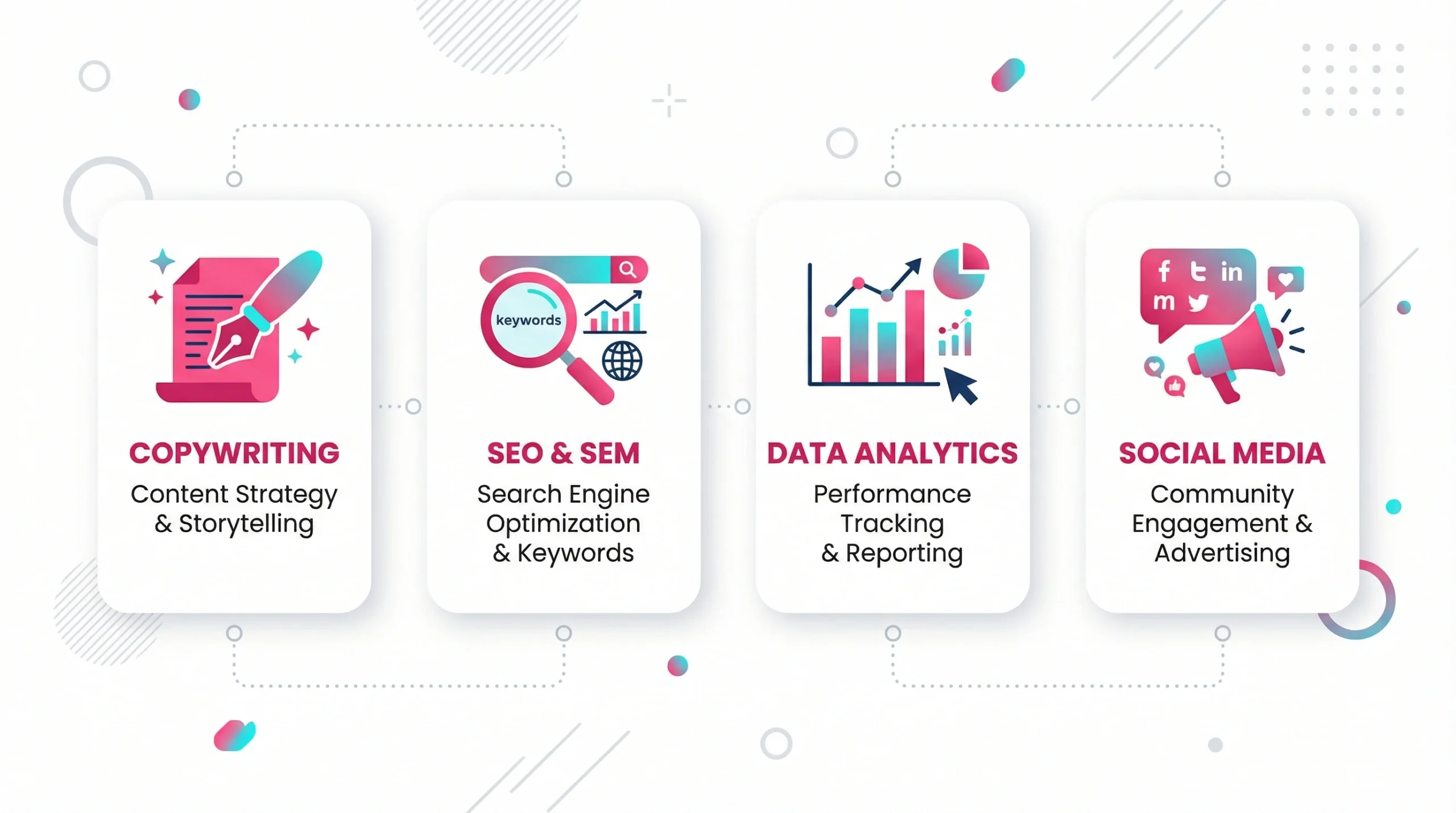
Technical knowledge matters, but so do the softer skills that help you interpret data, communicate ideas, and adapt to change. Strong candidates bring both to the table.
Analytical Thinking and Data Interpretation
Marketing without measurement is guesswork. You need to be comfortable pulling reports, spotting trends, and making decisions based on what the numbers actually say — not what you hope they mean.
Even a basic understanding of metrics like conversion rates, click-through rates, and cost per acquisition is essential for planning effective marketing campaigns and building sound marketing strategies.
Content Creation and Writing Skills
Content marketing sits at the heart of almost every digital strategy. Whether you are writing blog posts, ad copy, or email sequences, the ability to communicate clearly and persuasively is non-negotiable. Good writing is about understanding your audience, not just following grammar rules.
Technical Proficiency and SEO Basics
You do not need to be a developer, but understanding how digital channels function is helpful. This includes:
- How pages are crawled and indexed by search engines
- Meta tags, title tags, and header structures
- Page speed and mobile optimisation
- Basic awareness of HTML structure
Creativity and Graphic Design
Visual content drives engagement across nearly every channel. Basic design skills — creating compelling social graphics, resizing assets for different platforms, maintaining visual consistency — make you more self-sufficient within any team.
Communication and Social Media Management
Managing social media for a brand requires both strategic thinking and responsive communication. You will need to handle community interactions, draft platform-specific content, and monitor performance consistently. Tone, timing, and brand voice all require careful judgment.
Master Foundational Knowledge and Certifications
Formal education is not the only path into this profession — but structured learning gives you a framework that speeds up skill development considerably. The right combination of courses and qualifications can strengthen your credibility significantly.
Take Online Courses and Gain Certificates
Free online marketing courses and affordable programmes have made it easier than ever to gain experience in marketing without committing to a full degree. Taking an online digital marketing course is often the fastest way to build solid marketing knowledge from scratch. Some of the most respected options include:
- Google Digital Garage — Free certification covering digital fundamentals
- HubSpot Academy — Covers inbound methodology, content, and email marketing
- Meta Blueprint — Facebook and Instagram advertising certification
- Coursera and LinkedIn Learning — Broader marketing, analytics, and strategy topics
- Digital Marketing Institute (DMI) — Globally recognised certifications in professional digital marketing
Several of these programmes offer free digital marketing resources and trial access, making them a practical starting point even before you invest in paid courses. These certifications will not replace experience, but they demonstrate initiative and foundational understanding to prospective employers.
Professional Qualifications and Degrees
A digital marketing degree or marketing-related qualification can strengthen your profile, particularly for roles at larger organisations. The Chartered Institute of Marketing (CIM) offers professional certifications that are well-recognised across the UK and internationally, making them a worthwhile investment for serious professionals.
Postgraduate Courses for Career Advancement
If you already hold a degree in another discipline, a postgraduate qualification in marketing can bridge the gap. Masters programmes in digital marketing and data-driven strategy are increasingly common at universities across the UK and Europe.
These are especially useful if you are pivoting from a completely different career path and want to signal commitment to the field.
Stay Updated on Industry Trends
The digital marketing industry moves fast. Algorithms change, new platforms emerge, and consumer behaviour shifts constantly. Make a habit of following industry publications, practitioner podcasts, and LinkedIn thought leaders to stay current.
Staying informed is part of the job — not an optional extra.
Gain Hands-On Experience
Certifications open doors, but practical experience is what closes them. To truly get digital marketing experience, you need to gain experience through real projects — not just coursework or simulations.
Start Blog or Website to Experiment
Creating your own site gives you a sandbox to test SEO, content strategy, and analytics without risking a client’s budget. Even a modest blog with consistent content demonstrates initiative and curiosity.
Document what you try, what works, and what does not. Small digital marketing projects like these generate real world experience that no classroom exercise can replicate.
Run Small Ad Campaigns
Even with a minimal budget, running paid campaigns on Google or Meta teaches you more than most courses can. You will learn how bidding works, what makes an effective ad, and how to read performance data in a real context.
Start small, iterate often, and keep detailed notes on every test you run.
Manage Social Media Pages for Brands
Offer to handle social media for a local business, a friend’s startup, or a non-profit. Real responsibility — even unpaid — produces practical experience that stands out clearly on a CV.
You will encounter real constraints: limited budgets, unclear briefs, and demanding timelines. That exposure is exactly what employers want to see evidence of.
Digital Marketing Internships and Volunteer Work
Internships at digital marketing agencies or within in-house teams are among the most effective ways to build your portfolio and gain real-world experience simultaneously. Many structured programmes include mentorship and cross-channel exposure.
Volunteer roles at charities or community organisations can serve the same purpose if paid internships are difficult to secure.
Graduate Roles and Entry-Level Positions
Entry-level positions such as digital marketing assistant or junior SEO analyst are designed for people building their careers. These roles place you directly inside digital marketing teams, giving you the knowledge and experience that only comes from working on live campaigns day to day.
Build Digital Marketing Portfolio and Personal Brand
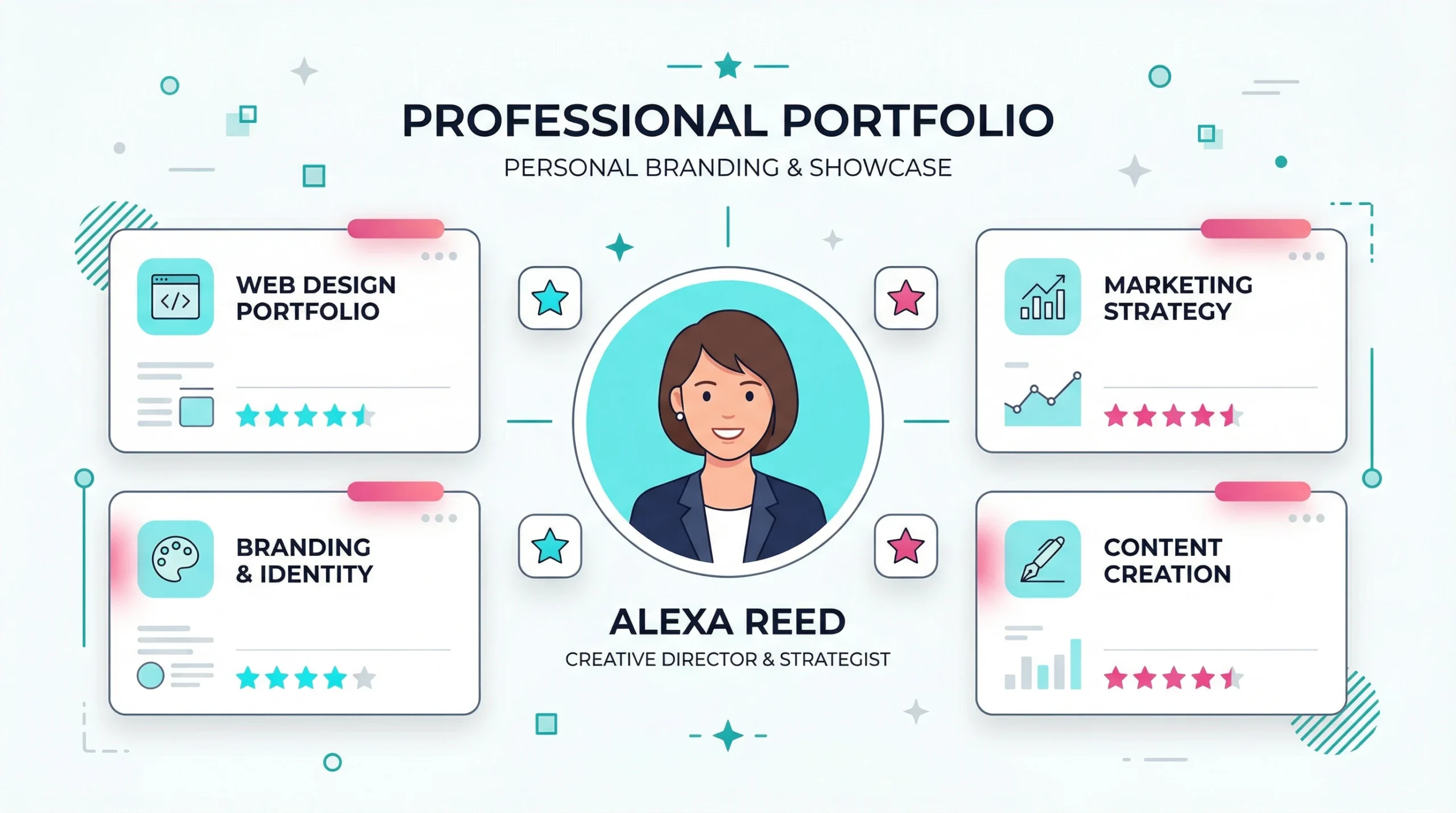
Whatever role in digital marketing you are targeting, a strong portfolio does more than demonstrate capability — it shows that you take your professional development seriously and approach your work with rigour.
Showcase Freelance Projects and Case Studies
Even small freelance projects deserve proper documentation. For each piece of work, record the objective clearly, the approach and tools you used, measurable results, and what you learned from the experience. Concrete outcomes — even from modest projects — carry far more weight than vague descriptions of professional experience.
Strategies to Enhance Personal Brand
Your personal brand is the story you tell about your professional identity. Consistency across platforms matters: use the same professional photo, a clear bio, and a coherent narrative about your expertise.
Publishing short-form insights or commentary on marketing trends helps establish credibility steadily over time.
Boost Online Presence on Professional Platforms
LinkedIn is the primary platform for professional networking in this field. Optimise your profile with a compelling headline, a clear summary of your skills, and concrete evidence of your work.
Create Perfect Resume for Marketers
Your CV should reflect what marketing professionals already know: clarity, structure, and relevance matter above all else. Tailor each application to the specific role and highlight measurable achievements rather than generic responsibilities.
Include links to your portfolio, LinkedIn profile, and any live campaigns or projects where possible.
Networking and Professional Connections
Many roles in this field are filled through connections before they are ever posted publicly. Building a professional network early pays dividends throughout your entire career.
Attend Conferences, Workshops, and Local Meetups
Industry events — from large conferences like BrightonSEO to local marketing meetups — offer direct access to practitioners, agency owners, and potential employers.
Go with curiosity rather than a rehearsed script. Genuine conversations consistently lead to lasting professional relationships.
Join Online Communities and Forums
Platforms like Reddit’s r/marketing, dedicated Slack communities, and specialist Discord groups connect you with professionals at every level. Engage genuinely — ask questions, share what you know, and contribute to conversations rather than just observing.
Networking and Job Searching on Social Media
LinkedIn and Twitter/X remain useful for following industry conversations and connecting with professionals at your target companies. Engaging thoughtfully with people’s content is a low-effort, high-visibility way to get noticed by the right people.
Working with Digital Recruitment Agencies
Specialist digital marketing recruitment agencies understand the sector deeply and can match candidates with roles suited to their current skill level. They also offer practical advice on what employers currently expect — which changes faster than most job boards reflect.
Apply for Jobs and Career Paths
With the knowledge and experience built throughout this process, a career in digital marketing is well within reach. Whether you are targeting a marketing position at an agency or an in-house brand, strategy still matters at this stage — but you are now ready to apply with confidence.
Different Digital Marketing Career Roles
The range of roles within the field is broad and continues to expand. Common career paths include:
| Role | Focus Area |
| SEO Specialist | Organic search visibility and technical optimisation |
| PPC Manager | Paid search and display advertising |
| Content Strategist | Editorial planning and long-form content |
| Social Media Manager | Platform presence and community engagement |
| Email Marketing Manager | Subscriber engagement and campaign automation |
| Digital Marketing Manager | Cross-channel strategy and team oversight |
| Performance Marketing Manager | Data-led campaign optimisation and attribution |
Customize Application for Agency or In-House Jobs
Agency roles tend to move faster, expose you to multiple industries simultaneously, and build significant breadth of experience quickly. In-house roles offer deeper focus on a single brand and often a more stable working environment.
Tailor your application accordingly. Agency submissions should emphasise adaptability and pace; in-house applications should demonstrate genuine alignment with the brand’s values and audience.
Prove Worth During Interviews
Come prepared with specific examples — a digital marketing campaign you contributed to, metrics you improved, and honest lessons drawn from setbacks. Interviewers in this field expect evidence, not theory.
Showing familiarity with the company’s current digital presence and offering a thoughtful observation about it signals genuine interest in a way that generic enthusiasm simply cannot.
What to Expect from Entry-Level Marketing Jobs
Entry-level roles often involve a mix of administrative support, content creation, data reporting, and campaign coordination across several channels. The learning curve is steep — and that is precisely what makes the early career years so valuable for long-term development.
Salary Insights and Future Growth
Understanding compensation benchmarks helps you negotiate confidently and plan your development trajectory with realistic expectations.
Digital Marketing Salaries and Trends
According to Glassdoor UK salary data, entry-level roles in the UK typically start between £22,000 and £28,000 per year. Mid-level specialists often earn between £35,000 and £50,000, while senior and director-level professionals frequently earn above £60,000.
Salaries vary considerably by location, specialisation, and whether you work agency-side or in-house.
How to Climb Digital Marketing Career Ladder
Progression in this field is driven more by demonstrable results than by time served. To progress in your career and become a recognised digital marketing expert, focus on:
- Build a clear track record of measurable campaign impact
- Develop leadership and mentoring capabilities
- Expand knowledge across adjacent marketing disciplines
- Pursue specialist qualifications in high-demand areas such as data analytics or conversion optimisation
Staying curious and adaptable matters more than any single qualification or title.
Impact of AI on Future Marketing Roles
AI tools are already changing how professionals work — automating repetitive tasks, generating content drafts, and surfacing insights more quickly.
This does not diminish the need for skilled professionals. It shifts the focus toward strategy, judgment, and creative thinking. Understanding how to work effectively alongside AI tools is fast becoming a core part of the modern digital marketing skillset that employers expect from experienced candidates.
FAQs
It is certainly competitive, but not impossible. Many people start as a digital marketer with no experience and successfully break in through internships, freelance projects, and self-directed learning. Building a portfolio that demonstrates real results — even from personal projects — can compensate meaningfully for a lack of formal employment history, and employers increasingly value evidence of practical ability over credentials alone.
Employer expectations vary widely depending on the role and sector. Many value platform certifications such as Google Analytics, HubSpot, and Meta Blueprint, particularly at entry level. For more senior positions, a relevant degree or professional qualification from a body like the Chartered Institute of Marketing may carry additional weight, though a strong portfolio and track record often matter considerably more to hiring managers.
Networking is genuinely valuable in this field, partly because many roles are filled through referrals before they are publicly advertised. Building relationships within the industry — through events, online communities, and social platforms — increases your visibility and can lead to opportunities that never appear on a job board. Consistent, authentic engagement matters far more than passively accumulating connections.
Both paths offer distinct advantages and neither is objectively better for everyone. Agency work typically provides faster exposure to diverse industries, tools, and clients, which accelerates learning in the early stages of a career. In-house roles offer deeper brand immersion, often more stable working hours, and the chance to observe the long-term impact of your contributions. Your choice should reflect your learning preferences and what you most want to develop first.
Managing both simultaneously requires clear boundaries and realistic expectations. Treating your job search as a structured commitment with dedicated time each week helps prevent one from crowding out the other. Keep freelance commitments small enough to stay manageable. The advantage of maintaining freelance work during a search is that it generates fresh portfolio material and keeps your skills active — both of which are directly useful in interviews and applications.
Early in your career, developing a broad understanding of how different channels work together gives you valuable context and flexibility. As you progress, building genuine depth in one or two disciplines tends to accelerate both your earning potential and professional credibility. The most sought-after senior professionals often combine specialist expertise with the ability to think strategically across the entire marketing mix.
A career change into digital marketing is entirely achievable and more common than many people assume. Transferable skills from journalism, data analysis, psychology, design, and sales translate well into marketing roles. The key is to invest in structured learning, build a tangible portfolio, and frame your transition story clearly — presenting your different background as a genuine asset rather than something that needs to be explained away.